WHS Codes of Practice Training: What QLD Workers Need
Your boss has set the date, and come to the next intake you're signing on as an apprentice. Fast forward to week one on a rooftop solar job, the sun is already cooking the tin, and the leading hand passes you the SWMS and asks which code of practice it's built on. You don't freeze. You know the answer, cause you did your WHS codes of practice training before you ever climbed that ladder. And honestly, that feels a whole lot better than nodding along and hoping nobody notices.
The thing is, most of the info online about codes of practice is written for business owners and safety managers. Not for the TA lugging panels up a roof at smoko. So it's hard to work out which codes actually apply to you, what training covers them, and whether any of it even counts once you sign on.
That's what this guide is for. We'll break down codes of practice in plain English, go through the ones Queensland electrical workers run into on site, show you what proper training should cover, and then how UEECD0007 fits into your path to a licensed trade.
What Does WHS Codes of Practice Training Cover?
The best place to start is what the training actually covers. That tells you what you'll walk away knowing.
WHS codes of practice training teaches workers how to apply approved codes of practice so they can meet their duties under work health and safety laws on a real job site. In Queensland, that means the Work Health and Safety Act 2011 and, for anyone around electrical work, the Electrical Safety Act 2002. Good training covers:
What codes are and how they link to WHS laws and regulations
The duties of PCBUs, workers and others on site
Identifying hazards and working out the risks
Applying the hierarchy of control measures
SWMS for high-risk work
Choosing and using the right PPE
Reading safety signs and following site procedures
Reporting hazards, incidents and near misses
Codes of Practice in Plain English
Here's the simple version. The Act is the law. The Regulation is the specific rules that sit under it. And the code of practice is the how-to, the bit that shows you how to actually meet both on a real job.
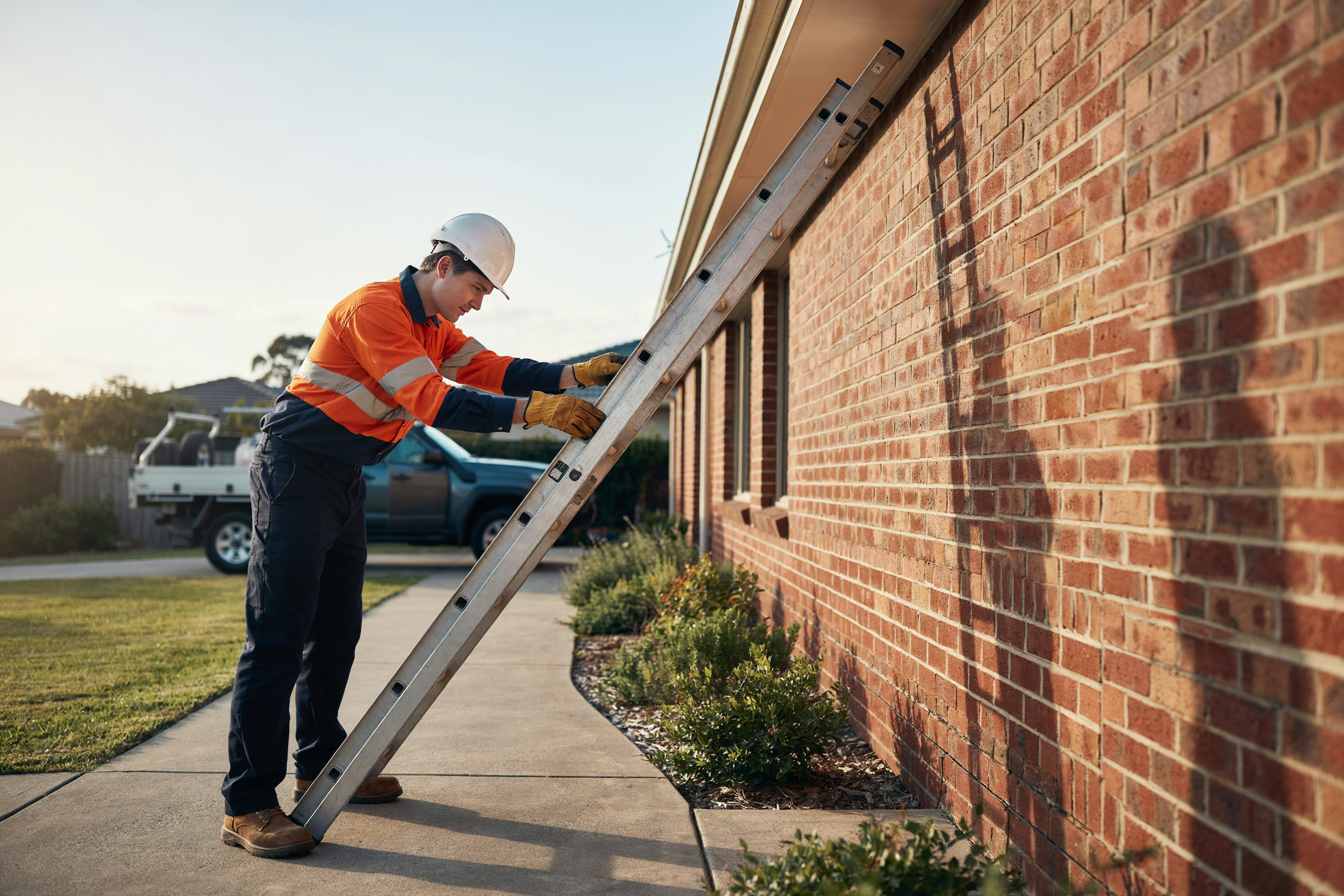
Think of it like a ladder. The law says you've gotta work safely at height. The regulation says falls have to be managed. The code tells you how, like setting the ladder up on firm ground, at the right angle, and keeping three points of contact.
Why Queensland Is Different
Queensland does things a bit differently. Under section 26A of the WHS Act, you've got to comply with an approved code of practice, or follow another way of doing things that gives an equal or higher standard of health and safety. So the code isn't just nice-to-know reading in this state.
Law update note: Some Queensland codes of practice are being amended during 2026, so always check you're looking at the current version.
Which Codes of Practice Apply to Electrical Workers in Queensland?
Knowing what codes are is one thing. Knowing which ones you'll actually run into on a Queensland job site, that's what matters on day one.
Electrical Safety Codes of Practice
Here's something a lot of TAs don't realise. In Queensland, the electrical codes don't come from the same place as the general WHS codes. They're approved under the Electrical Safety Act 2002 (Qld) through a Codes of Practice Notice. Separate system, separate rulebook, overseen by the Electrical Safety Office.
The ones you'll hear about most are:
Managing electrical risks in the workplace
Working near overhead and underground electric lines
Electrical work (if it's still current)
If you're heading into an electrical apprenticeship, these are your bread and butter. You'll hear the sparkies reference them in toolbox talks without even saying the name, stuff like keeping clear of overhead lines when you're swinging a ladder off the ute.
WHS Codes You'll Meet on Solar and Construction Sites
Then there's the WHS codes. These cover the general site stuff, and on a solar or construction job you'll bump into a handful of them pretty much every week.
Code | When you meet it | Example task |
Managing the risk of falls | Rooftop work | Solar installs |
Construction work | High-risk construction work | SWMS |
Hazardous manual tasks 2021 | Lifting and carrying | Panels, cable drums |
How to manage WHS risks | Every job | Risk process |
First aid in the workplace | Crew first aider | Who to call |
Psychosocial hazards at work (since 1 April 2023) | Every workplace | Fatigue, pressure |
That last one surprises people. Psychosocial hazards sounds like office talk, but think about it. Long days on a hot roof, a supervisor pushing to get the job finished before the storm rolls in, not much sleep with a toddler at home. That's fatigue and pressure, and it's a real safety risk when you're working at height around live gear.
There's more than 20 codes all up in Queensland, and we're not gonna list every one here. If you want the full list, WorkSafe Queensland keeps it up to date on their official codes of practice page.
What Good WHS Training Looks Like for TAs and Apprentices
Not every course teaches these codes the same way. So here's how to spot training that's actually worth your money.
Nationally Recognised, Not Just a Certificate of Completion
This is the big one. Plenty of online courses hand you a nice-looking certificate at the end, but that doesn't mean it counts for anything when you sign on as an apprentice. Before you book, check three things. Is there a unit code? Is there an RTO number? And can you find both listed on training.gov.au? If the answer's no to any of them, keep scrolling.
Built for Your Phone and Your Roster
Let's be real. You're not sitting at a desk all day reading legislation, and you can't afford to lose a day's pay either. Good training gets that. Short modules, plain English, and stuff you can knock over on your phone at smoko or in the ute at lunch.
Assessment That Suits Hands-On Learners
A lot of blokes who end up in the trades didn't love school. Fair enough. If long written tests make your stomach drop, look for training that uses practical scenarios, real site situations you'd actually come across, and trainers who'll back you if reading isn't your strong point. You shouldn't fail a safety course because of a wordy question. You should pass cause you know what to do on the roof.
Codes of Practice Training vs White Card
This trips up heaps of people. You've probably already got your White Card, and you're wondering if that covers it. It doesn't, they're two different things.
White Card (CPCCWHS1001) | UEECD0007 | |
What it is | General construction induction | Electrical-specific WHS unit |
Who it's for | Anyone working on a construction site | TAs, pre-apprentices and electrical apprentices |
Think of the White Card as your ticket through the gate. UEECD0007 is what the electrical side looks for. Most people heading into an electrical apprenticeship end up needing both.
How the UEECD0007 Course Covers Codes of Practice Training
So that's the checklist. Here's how the UEECD0007 unit ticks each box.
What UEECD0007 Is
UEECD0007 is the unit code for Apply Work Health and Safety Regulations, Codes and Practices in the Workplace. Long name, simple idea. It's the electrical industry's WHS unit, and it's a core unit in the electrotechnology qualifications, the same ones electrical apprentices work through to get licensed.
That's why your boss wants it done before the intake. It's one of the building blocks of the trade you're heading into.
How the Unit Maps to the Snippet List
Remember that list of what good WHS codes of practice training covers? The UEECD0007 unit is built around those same areas. Laws, regulations and codes. Duties on site. Hazards, risks and controls. SWMS, PPE, signage and site procedures. And reporting when something goes wrong.
Will It Count Toward Your Apprenticeship?
This is the question that keeps a lot of TAs up at night. And it's a fair one. Nobody wants to book a course and then get told to do it all again.
Here's how it usually works. Because UEECD0007 is nationally recognised, it's usually credited through what's called credit transfer. Basically your apprenticeship RTO sees you've already completed the unit and doesn't make you repeat it. But every RTO makes its own call, so ring yours and confirm before you assume. And hang onto your statement of attainment.
Who Delivers the Course
Delivered in partnership with First Aid Alive, RTO 31106.
Show your boss today. Once you've passed, forward your certificate straight to your boss. That's your proof you're serious, and it's one less thing standing between you and that apprenticeship.
You can see the full course details on our UEECD0007 course page.

Putting Codes of Practice to Work: Your First-Week Site Checklist
Passing the course is step one. Using it on site, that's where it really counts.
Here's a simple checklist for your first week. Just the habits that keep you and your crew safe.
Before the Job Starts
Read the SWMS, then sign it. Not the other way round. If you don't get something in it, ask.
Ask which code applies. "What code's this SWMS built on?" is a good question for a new bloke to ask. Shows you're switched on.
Check your PPE. Right gear, good nick, actually on you. Not sitting in the ute.
Confirm isolation status with your supervisor. Don't guess. Ask them straight out what's isolated and what isn't.
While You're Working
Stop and ask if conditions change. Wind picks up, storm rolling in, someone's moved the ladder. Stop, then check in.
Never assume anything's de-energised. Even if someone said it was off this morning. If you're not sure, ask.
Respect roof exclusion zones. Stay out of marked areas and keep clear of edges unless you're set up for it.
Illustration only: Say you're on a rooftop solar install and a sparky starts working near a DC isolator. You're not sure if it's been switched off. The right move as a TA isn't to step in or touch anything. It's to stop, stay clear, and ask your supervisor. Speaking up feels awkward the first time. Way less awkward than the alternative.
When Something Goes Wrong
Report hazards and near misses. Even the small ones. A near miss today is the incident report you didn't have to write tomorrow.
Know who your crew first aider is. Work it out on day one, not when someone's already hurt.
What Comes Next: Your First-Year Apprentice Training Pathway
Once you're signed as an apprentice, a few more tickets come up pretty quick. Better to know about them now than get caught out when the builder asks at the gate.
1. UEECD0007 (now) This is your starting point. Get it done before the intake and you walk in already knowing the codes.
2. CPR and Low Voltage Rescue (first year) Once you're working on or near energised equipment, CPR (HLTAID009) and Low Voltage Rescue come into the picture. In Queensland, electrical workers are expected to keep these current every year. So it's not a one-and-done thing. It's part of the job for your whole apprenticeship and well after you're licensed.
Think of it this way. If a mate on your crew gets a shock, you want to be the one who knows what to do.
3. First Aid (once you're settled in) Plenty of bosses want someone on every crew who's done first aid (HLTAID011). Put your hand up for it. And if you've got little ones at home, it's worth having anyway. Peace of mind on site and off it.
Get Your UEECD0007 Done Before the Intake
Think back to that rooftop on week one. The sun's already up, the tin's already hot, and the leading hand passes you the SWMS and asks which code of practice it's built on. Everyone's watching for a second. And you've got the answer ready.
That's the difference between being the new bloke who nods along and hopes nobody notices, and the new bloke who actually gets it. Same roof, same job, same crew. But one of them walks off site that arvo feeling like he belongs there.
That's what solid WHS codes of practice training gives you. Not just a certificate for the folder, but real confidence on day one and a proper head start on your trade. You'll know why the SWMS says what it says, which code is sitting behind it, and what to do when something on site doesn't look right.
Your boss has already set the date, so the clock's ticking. Don't leave it till the week before the intake and end up scrambling.
The good news is it's simpler than it sounds. Here's all you need to do:
Book on your phone. Easy to do, even on smoko.
Complete the training.
Send your certificate to your boss.
That last step is the one that counts. When your certificate lands in your boss's inbox, it's proof you've done what he asked. One less thing standing between you and signing on as an apprentice.
Still not sure if UEECD0007 is the right course, or whether it'll count toward your apprenticeship? Just give us a call or flick us a text. We'd rather you ask than book the wrong thing and waste your money.
And if you're sitting there thinking you're too old to start a trade, or you're worried you'll be the slowest one in the room, you're not the first and you won't be the last. Heaps of people come into the electrical trade later in life. Getting this unit done is your first real step, and it's a good one.