Essential Resuscitation Skills Course for Healthcare Professionals
When that Code Blue alarm pierces through the 3 AM quiet of your ICU, your heart rate spikes just like it did during your first week as a graduate nurse. But now you're the senior staff member everyone's looking to for leadership. Sarah, an ICU manager at Gold Coast University Hospital, told me recently about a cardiac arrest situation that changed everything for her team. "We had a 45-year-old patient go into VF, and while we started CPR immediately, I could see the hesitation in my nurses' eyes when we moved beyond basic protocols. They knew the theory, but when it came to managing complex rhythms and multi-drug algorithms in real time... that's when I realized basic CPR training wasn't enough anymore."
Modern healthcare environments throw situations at us that basic life support simply can't handle. Whether you're managing an ICU where patients present with complex cardiac arrhythmias, supervising paramedic crews who need to make split-second medication decisions, or running an emergency department where new graduates must handle advanced scenarios from day one, your team needs resuscitation skills that match the intensity of what you actually face.
The difference between basic CPR and advanced resuscitation isn't just about more techniques - it's about confidence when everything's on the line. It's about your staff knowing exactly what to do when standard protocols aren't working. And frankly, it's about meeting HLTAID015 requirements without just checking boxes, but actually building competency that saves lives.
This guide breaks down everything you need to know about choosing and completing a resuscitation skills course that actually prepares your team for the real world. We'll cover what separates quality training from the generic stuff, how AHPRA compliance fits into your bigger picture, which advanced techniques matter most in clinical practice, and how to find training that works with the reality of 24/7 healthcare operations.
Understanding Advanced Resuscitation Skills Training
What Makes Resuscitation Training "Advanced"
Here's what most people don't realize about the difference between basic CPR and advanced resuscitation - it's not just about learning more techniques. When Mark, a paramedic supervisor with Queensland Ambulance Service, describes the difference, he puts it this way: "Basic CPR teaches you to push hard and fast. Advanced resuscitation teaches you what to do when pushing hard and fast isn't working."
Advanced resuscitation training builds on your foundational CPR knowledge but takes you into the complex decision-making that happens when patients don't respond to standard protocols. You're dealing with rhythm analysis beyond "shockable" or "non-shockable." You're managing multiple medications with specific timing requirements. And you're coordinating team responses where communication can make or break the outcome.
The training recognizes that healthcare professionals need skills that match their clinical environment. An ICU nurse dealing with post-operative cardiac complications faces different challenges than a paramedic managing an arrest in someone's living room. Quality advanced training accounts for these differences.
Beyond Basic CPR: Complex Cardiac Rhythms
Basic CPR training focuses on recognizing cardiac arrest and starting chest compressions. Advanced resuscitation skills training takes you deep into rhythm interpretation and management strategies that actually work in clinical practice.
You'll learn to differentiate between pulseless VT and VF - and why that distinction matters for drug therapy timing. PEA management becomes more than just "give epi and find the cause" - you'll understand the specific reversible causes most likely in your clinical setting and how to address them systematically.
Asystole protocols move beyond the basic "epi and atropine" approach. You'll learn when to consider transcutaneous pacing, how to manage the transition from ROSC to post-cardiac arrest care, and most importantly, when to make the difficult decision about cessation of efforts.
These aren't academic exercises. Dr. Lisa Chen, clinical director at Pindara Private Hospital, shared a case where her team's advanced rhythm interpretation skills saved a 62-year-old patient who presented with what initially looked like asystole but was actually fine VF that required immediate cardioversion.
Multi-Drug Therapy and Algorithm Management
Real cardiac arrests don't follow textbook algorithms perfectly. Patients have comorbidities, drug interactions, and physiologic variations that change how they respond to standard protocols. Advanced resuscitation training prepares you for these realities.
You'll master epinephrine timing beyond the standard "every 3-5 minutes." When do you consider vasopressin? How does amiodarone dosing change based on patient weight and underlying cardiac function? What about patients already on beta-blockers or calcium channel blockers?
The training covers drug calculations under pressure. Patricia, who manages an 80-bed aged care facility, mentioned how her staff's confidence changed after practicing real-time medication dosing: "When you've calculated amiodarone doses for a 45-kg elderly patient while doing compressions, the real situation doesn't feel as overwhelming."
Advanced courses also address post-ROSC medication management. Blood pressure support, targeted temperature management protocols, and the critical first hour of care that determines long-term outcomes.

HLTAID015 Certification Requirements
AHPRA Compliance Standards
Let's talk about what AHPRA actually requires - not just what training providers claim meets the standards. Rachel, an emergency department educator at Gold Coast University Hospital, put it perfectly: "AHPRA doesn't just want to see that your staff completed a course. They want evidence that your staff can actually perform advanced resuscitation competently."
HLTAID015 certification goes beyond basic CPR requirements in specific ways that matter for healthcare professionals. You need demonstrated competency in advanced airway management, not just knowledge that these techniques exist. Your assessment must include rhythm recognition under pressure, medication calculations with real-time feedback, and team leadership during simulated cardiac arrest scenarios.
The standards require evidence of practical skills assessment, not multiple-choice tests. Your certification needs to show that staff can perform bag-mask ventilation effectively, interpret ECG rhythms accurately, and make appropriate medication decisions within the time constraints of actual emergencies.
What catches many facilities off-guard is the documentation requirements. AHPRA expects detailed records of practical assessments, including specific scenarios each person demonstrated competency in. Generic certificates that just show course completion don't meet these standards.
Assessment Criteria and Competency Evaluation
Real HLTAID015 assessment involves performance under conditions that mirror clinical reality. Quality programs test your ability to lead a resuscitation team while managing your own technical skills simultaneously.
The assessment covers rhythm interpretation with actual monitor displays, not just textbook examples. You'll demonstrate medication preparation and administration with the same time pressure you face during real codes. And you'll show competent use of advanced airway equipment - not just explain how these tools work.
Team dynamics assessment is where many people struggle, even experienced clinicians. You need to demonstrate effective communication during high-stress situations, delegate tasks appropriately, and maintain situational awareness while performing technical procedures.
Documentation skills are part of the competency evaluation too. Post-resuscitation reporting requirements, medication administration records, and timeline documentation all factor into whether you meet HLTAID015 standards.
Recertification Timelines for Healthcare Professionals
HLTAID015 certification expires every 12 months, but smart healthcare managers don't wait until month 11 to start planning recertification. The reality of scheduling 24/7 staff means starting your planning process at least 4-6 months before expiration dates.
Some facilities stagger their staff certifications throughout the year to avoid having entire departments expire simultaneously. Others coordinate with annual competency schedules to streamline the process. There's no perfect approach, but having a system prevents the last-minute scramble that compromises training quality.
Recertification isn't just about maintaining compliance - it's an opportunity to address skills that have degraded over the year and incorporate new guidelines or equipment changes. The Australian Resuscitation Council updates protocols regularly, and your recertification should reflect current best practices, not just repeat last year's content.
Essential Skills Covered in Professional Courses
Advanced Airway Management Techniques
Team Dynamics and Communication Protocols
Here's something most resuscitation training gets wrong - they focus on individual skills when real cardiac arrests are team events. Quality advanced training addresses the communication patterns that make resuscitation teams effective.
You'll learn closed-loop communication techniques that work when everyone's adrenaline is high. Clear role assignment during the initial response, not just "someone start compressions." Specific language for medication requests that prevents dosing errors under pressure.
The training addresses hierarchy challenges that occur during codes. When the newest nurse identifies a rhythm change before the senior resident does, how do you communicate that information effectively? How do you handle disagreements about treatment decisions when time is critical?
Leadership rotation during extended resuscitations is another skill that separates advanced training from basic CPR courses. Twenty minutes of leading a code is mentally and physically exhausting. Quality programs teach transition techniques that maintain team effectiveness during prolonged efforts.

Post-Resuscitation Care Standards
Getting ROSC is just the beginning. Post-resuscitation care in the first few hours determines whether your patient leaves the hospital neurologically intact or becomes a tragic success story.
Advanced training covers targeted temperature management protocols that go beyond "keep them cool." You'll learn specific temperature targets, cooling methods appropriate for your clinical setting, and monitoring requirements during the therapeutic hypothermia period.
Blood pressure management post-ROSC involves more than just giving pressors. You'll understand the balance between maintaining cerebral perfusion and avoiding harmful hypertension. Medication selection based on the underlying cause of arrest and the patient's cardiovascular status.
Neurologic monitoring and prognostication guidelines help you provide realistic information to families while maintaining appropriate hope. The training addresses when to involve palliative care consultation and how to support families through uncertain outcomes.
Choosing Quality Training Providers
Instructor Qualifications and Clinical Experience
The biggest mistake healthcare facilities make when selecting a resuscitation skills course provider is assuming all instructors are created equal. You need trainers who understand the difference between textbook scenarios and the chaos of real codes.
Look for instructors with current clinical experience in advanced life support settings. A paramedic who's still working shifts understands equipment variations and protocol adaptations that retired instructors might miss. An ICU nurse who's managing codes regularly brings insights about team dynamics that classroom-only educators can't provide.
The best instructors maintain clinical practice alongside their teaching responsibilities. When Sarah from GCUH selected training for her ICU team, she specifically asked about instructor credentials: "I wanted someone who could explain why our protocols differ from the textbook examples, not just recite the algorithms."
Avoid providers whose instructors only have teaching certifications without ongoing clinical work. Advanced resuscitation changes rapidly, and classroom theory doesn't keep pace with bedside reality. Your training needs to reflect what actually works in your clinical environment.
Equipment Standards and Simulation Technology
Training quality depends heavily on equipment that matches what you actually use at work. Basic training providers often use outdated defibrillators and generic monitoring equipment that doesn't prepare you for your facility's specific technology.
Quality programs invest in current equipment from major manufacturers. If your hospital uses Philips monitors, training on Zoll equipment creates unnecessary confusion during real emergencies. The muscle memory and visual recognition you develop during training should transfer directly to your work environment.
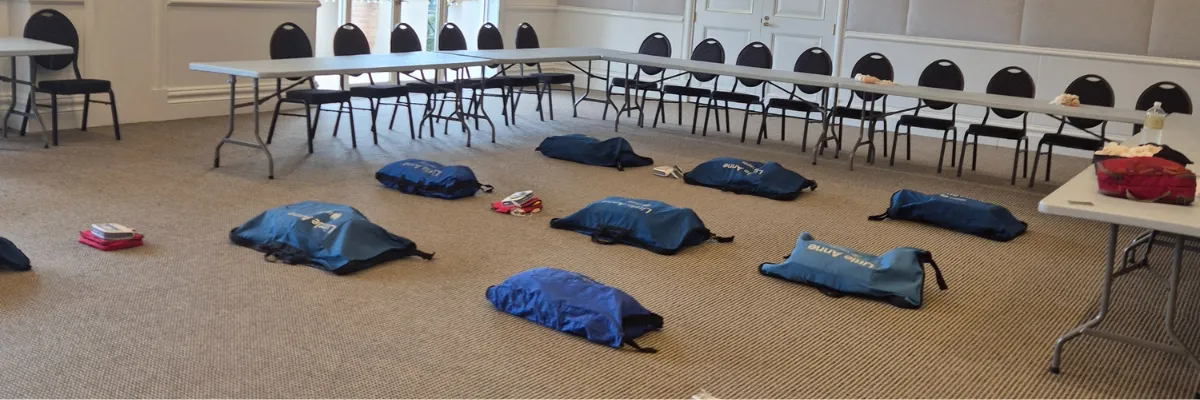
Simulation technology makes a huge difference in skill retention. High-fidelity mannequins that respond physiologically to your interventions create learning experiences that stick. You'll remember the patient whose blood pressure improved after appropriate vasopressor administration much better than a static scenario.
But don't get distracted by flashy technology that doesn't serve your learning objectives. Some providers focus more on impressive simulators than quality instruction. The equipment should enhance learning, not replace competent teaching.
Gold Coast Training Options and Considerations
On-Site vs. Off-Site Training Benefits
Gold Coast healthcare facilities have unique advantages when it comes to resuscitation skills course options. The concentration of major hospitals, private facilities, and emergency services creates demand for specialized training that matches local protocols and equipment standards.
On-site training at your facility offers significant benefits for team cohesion and protocol integration. When your entire emergency response team trains together using your actual equipment in your real clinical spaces, the skills transfer more effectively to actual emergencies.
Mark from Queensland Ambulance Service found that on-site training helped his crews develop better communication patterns: "Training in our actual ambulances with our specific equipment made a huge difference. The spatial awareness and workflow patterns we developed during training carried over immediately to real calls."
Off-site training can be valuable when you want your team exposed to different equipment or approaches. Some Gold Coast training centers offer simulation technology that exceeds what individual facilities can provide. The key is matching the training environment to your learning objectives.

Making the Right Choice for Your Team
The difference between basic CPR and advanced resuscitation skills training isn't just academic - it's about preparing your team for the complex realities of modern healthcare. When that next Code Blue sounds, you want staff who can think beyond the basic algorithms and adapt to the unexpected complications that real patients present.
Quality resuscitation skills course providers understand that healthcare professionals need training that matches their clinical environment. Whether you're managing an ICU where patients have multiple comorbidities, supervising paramedic crews who face unpredictable scenarios, or ensuring your emergency department staff can handle whatever walks through the door, the right training makes all the difference.
Don't settle for generic programs that treat all healthcare workers the same. Your team's competency directly impacts patient outcomes, and your training should reflect that responsibility. Look for providers who understand the Gold Coast healthcare community, work with your scheduling constraints, and deliver education that genuinely prepares your staff for the situations they'll actually face.
The investment in quality advanced resuscitation training pays dividends in team confidence, patient outcomes, and regulatory compliance. But more than that, it gives you the peace of mind that comes from knowing your team is truly prepared when every second counts.
Ready to ensure your team has the advanced resuscitation skills they need? Contact our clinical training specialists to discuss how we can customize HLTAID015 certification training for your facility. We understand the unique challenges Gold Coast healthcare professionals face, and we're here to help your team excel when it matters most.
Call us today 0434778243 | 04FIRSTAID to schedule a consultation.