PPE Selection Training: Choosing the Right Gear for the Job
It's a stinking hot arvo on a rooftop solar install. The TA's in a cotton work shirt with his carrying gloves on, kneeling about a metre from a live DC isolator. Nobody gets hurt. But nobody picked his gear for that task either, and that's the exact gap PPE selection training is there to close.
Honestly, it's a pretty normal scene. Most new TAs grab whatever's in the ute and crack on. Gloves are gloves, right? Except the gear being there and the gear being right is two very different things.
Here's what the training actually means for you. You learn to choose your gear based on the hazard, the task and how it fits you. Not a habit.
Get that sorted and you've got a simple way to pick the right gear on any job. You also get a head start on what your supervisor will expect once you're signed as an apprentice.
It's all grounded in Queensland WHS laws and the electrical and solar sites you'll be working on around Brisbane. And it's a big part of UEECD0007.
Below, we'll cover why PPE is your last line of defense, what gear suits each task, the mistakes most TAs make, and where that course fits into your trade.
How Do You Select the Right PPE for the Job?
To select the right PPE for the job, start with the hazard, not the gear. Under Queensland WHS laws, PPE is the last line of defense, used after other controls are in place. Then work through these steps:
Identify the hazard: electrical, falling objects, UV, dust, noise or chemicals.
Check other controls first, such as isolation, barriers or guarding.
Match the gear to the task, not the site. Carrying panels and working near a live isolator need different gloves.
Check the label for the right Australian Standard rating.
Make sure it fits you properly.
Inspect it before every use and replace anything damaged.
Those steps sound simple. Doing them properly on a hot roof in the middle of the arvo, that's where the training comes in.
What PPE Selection Training Actually Teaches You
Good PPE training for tradies isn't about memorising a list of gear. It's about learning to think before you reach for anything.
Why PPE comes last, not first
There's a thing called the hierarchy of control. It's just the order you deal with a hazard in, from the most effective fix down to the least. The Queensland Work Health and Safety Regulation 2011 sets it out.
In plain English, it goes like this. Get rid of the hazard. Swap it for something safer. Isolate it. Engineer it out. Use admin controls like procedures and signage. Then, last of all, PPE.
On a rooftop solar job, that means the system gets isolated before anyone reaches for gloves. Gloves don't make a live circuit safe. Isolation does. That's why proper PPE training for tradies starts with the hazard, not the gear bag.
Reading the hazards on a job
Every job should have a SWMS, short for safe work method statement. It sets out the task, the hazards and the controls. Read it before you start, not after smoking.
Then have a look around. That SWMS was written before you rocked up. Has the weather turned? Is there a new task nobody planned for? A live circuit nearby nobody mentioned? If something's changed, your gear might need to change too.
Matching gear to the hazard
This is where a lot of TAs get caught out. "Gloves" isn't one category. Cut-resistant gloves stop a panel edge slicing your palm. Heat gloves handle hot surfaces. Chemical gloves keep solvents off your skin. Electrical insulating gloves are a whole different animal. Grab the wrong pair and you're protected against the wrong thing.
Fit, care and inspection
Gear that doesn't fit doesn't work. Gloves are too big, you lose grip. Glasses are too loose, they slide down your nose and end up on your head.
Storage counts too. A ute in a Brisbane summer is basically an oven. Heat and UV break down rubber, plastic and helmet shells faster than you'd think. Keep gear out of the sun where you can, and check it before every use. If it's damaged, it's done.
The big thing to remember is this. PPE reduces your exposure. It doesn't remove the hazard. And picking it isn't a one-off, you do it again every task.
Here's what that looks like across a normal day on a solar job.
Choosing PPE Task by Task on Electrical and Solar Jobs
A solar install isn't one job. It's five or six jobs in one day, and each one throws different hazards at you. That's why choosing PPE is something you do again and again, not once at the gate.
Carrying and racking panels on the roof
The hazards: Panel edges and rail offcuts that cut. UV and heat bouncing off a tin roof. And falls.
The gear: Cut-resistant gloves, sun protection, and a hat or helmet depending on what the site requires. Good PPE for solar installers starts right here, on the roof. Fall protection is a separate system with its own rules, so we won't cover harnesses here.
The slip-up: Keeping the same gloves on all day, no matter what you're doing.
Working near switchboards, inverters and DC isolators
The hazards: Electric shock and arc flash.
The gear: First thing to get straight. As a TA, you never work live. Full stop. Your supervisor handles anything energised, and you watch and learn.
The slip-up: Thinking your carrying gloves will protect you. They won't. Electrical insulating gloves are rated and tested to their own standard, and they're a completely different product to work gloves. Electrical PPE requirements are strict for a reason. You'll also hear about arc-rated clothing, which licensed workers wear for specific tasks.
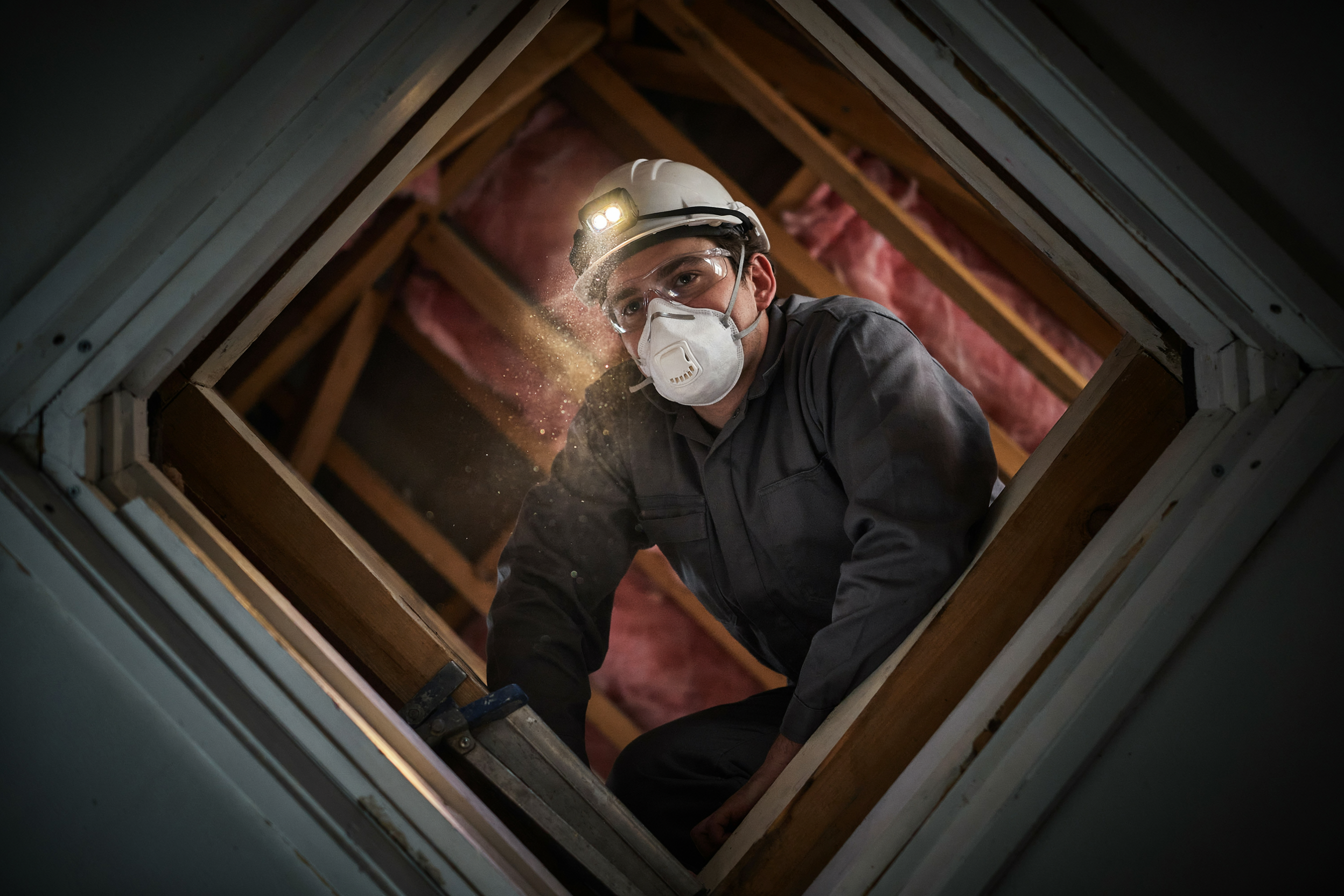
Roof spaces
The hazards: Heat, dust, fibreglass and bad light.
The gear:
Long sleeves
Clear safety glasses, not tinted
The slip-up: Wearing your tinted sunnies up there because they were already on your head. In a dark roof space you need to see what's in front of you.
Drilling, cutting and chasing
The hazards: Flying debris, noise, and silica dust when you're cutting into brick or concrete.
The gear: Impact-rated eyewear, hearing protection, and a dust mask or respirator.
The slip-up: Skipping the earmuffs because "it's only a couple of holes". A couple of holes every day adds up.
Every-site basics
Some gear doesn't change, whatever the task. Steel caps, hi-vis and long pants. Most sites check this at the gate, so if you turn up without it you might not get through. Those are the baseline electrical PPE requirements on pretty much any job.
Task | Main hazard | Gear | Watch out for |
Panels on the roof | Cuts, UV, heat, falls | Cut-resistant gloves, sun protection, hat or helmet | Same gloves all day |
Near switchboards | Shock and arc | TAs never work live | Carrying gloves aren't electrical gloves |
Roof spaces | Heat, dust, fibreglass | P2 respirator, long sleeves, clear eyewear | Tinted glasses; suspected asbestos |
Drilling and cutting | Debris, noise, silica dust | Impact-rated eyewear, hearing protection, respirator | Skipping hearing protection |
Every site | General site hazards | Steel caps, hi-vis, long pants | Turning up without it |
Book UEECD0007 Now and learn how to pick the right gear for every task, properly.
Knowing what gear you need is half of it. The other half is checking the gear in your hand actually does the job.
Reading the Label: Australian Standards on Your PPE
Most people never look at the label on their gear. Fair enough, it's small and usually tucked inside a cuff or along the arm of your glasses. But that tiny bit of print tells you whether the gear actually does what you need it to.
Why the standard number matters
The standard number shows what the gear was tested against. A pair of glasses stamped with the right one has been tested for impact. A pair with nothing on it might just be plastic shaped like safety glasses.
This is where cheap online gear catches people out. It looks the part and the price is good. But unrated gear may not meet Australian standards for PPE at all, and you won't know until it fails.
What to look for
Gloves, eye protection, safety footwear, helmets, hi-vis, respirators and electrical insulating gloves each have their own Australian Standard. Look for the standard number printed or stamped on the item, usually on the arm, cuff, tongue or inside the shell. No marking? Don't trust it.
Checking the label and the date
The standard isn't the only thing worth checking. Some gear has a use-by date, even if it looks fine.
Helmets, respirators and electrical insulating gloves all have service lives or test intervals. A helmet that's been baking on the dash can be past it before the date on the label says so. Insulating gloves need regular testing to stay in service.
So when you pick something up, check two things. Is it rated to the right Australian standards for PPE? And is it still in date? If the answer to either one is no, it goes in the bin, not in your hands.
Even with the right gear in the ute, a few habits trip up most new TAs.
=
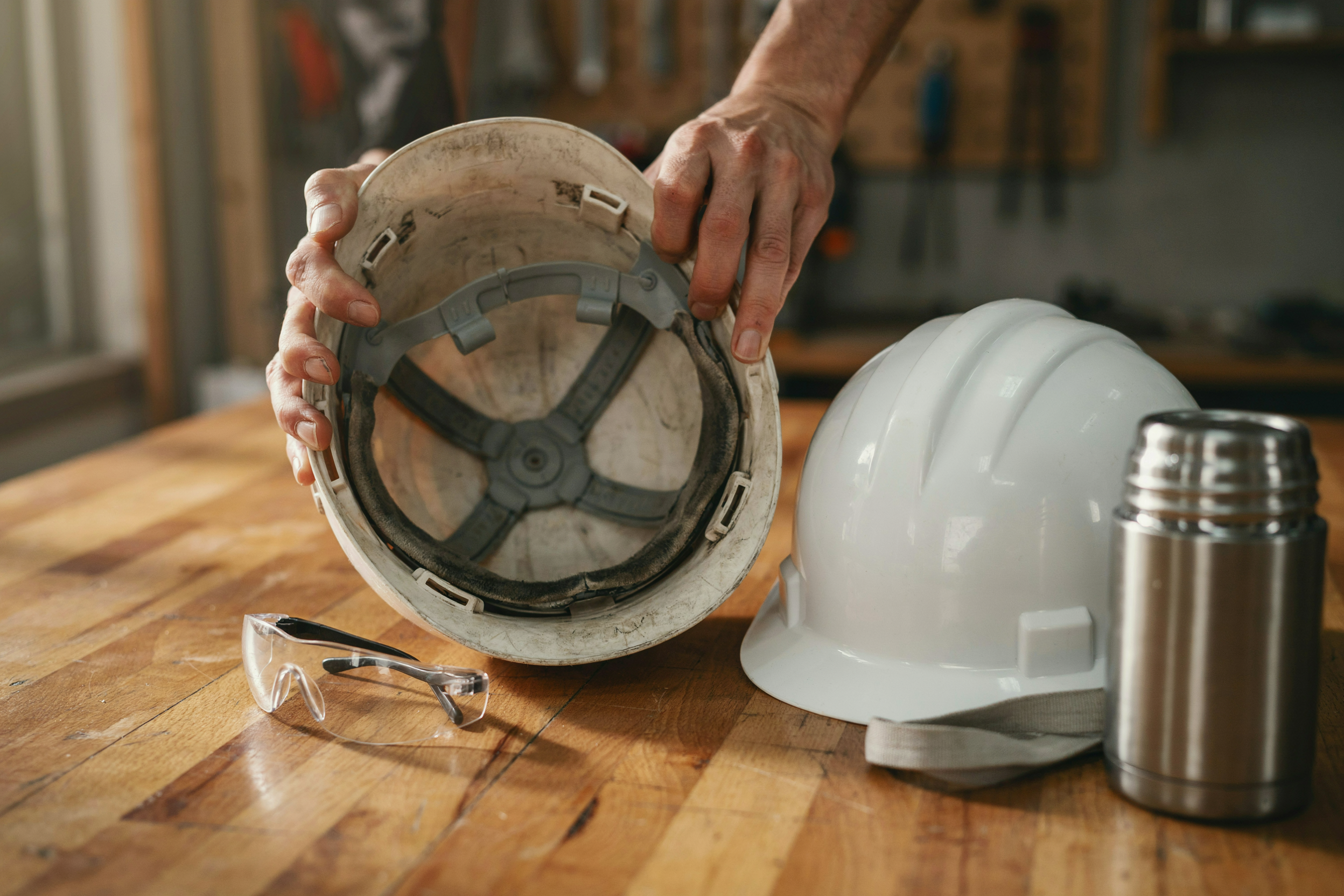
Common PPE Mistakes TAs Make on Brisbane Sites
Most PPE mistakes on site aren't about not caring. They're habits. You pick them up early, nobody corrects you, and before long they feel normal.
The "grab whatever's in the ute" habit
This is the big one. The gear's there, so you wear it. But the gear that's handy and the gear that's right for the task aren't always the same thing. Stop before each new task and ask yourself if what you've got on actually matches it.
Treating work gloves as electrical gloves
This one has the worst consequences. Think back to that TA on the roof, kneeling near a live DC isolator in his carrying gloves. Leather or cut-resistant gloves might feel thick and safe, but they're not built to protect you from electricity. Not even a little bit.
Ignoring the Queensland sun
Long days on roofs add up fast. Sun protection is PPE, same as your glasses. Long sleeves, a brim, and sunscreen you actually reapply.
Wearing damaged, faded or borrowed gear
Cracked glasses, a helmet that's faded in the sun, gloves with a hole in the thumb. If it's damaged, it's not doing its job. And borrowed gear rarely fits right.
Staying quiet when the gear's wrong
New TAs don't like to make a fuss. I totally get it. But if the gear you've been handed doesn't suit the job, say so. A good supervisor would rather hear it than deal with an injury.
What's on you, and what's on your boss
A PCBU, or person conducting a business or undertaking, is basically the business you work for. Here's how the duties split:
You: Take reasonable care, use the PPE you're given, and follow reasonable instructions.
Your boss: Provide suitable PPE, generally at no cost to you.
For the employer side of things, have a read of our piece on Appropriate Personal Protective Equipment.
If you're heading into an electrical apprenticeship, there's a course that covers all of this and counts toward your trade.
Where PPE Selection Training Fits Into UEECD0007
If you're a TA getting ready for an apprenticeship, you don't need a separate PPE course. PPE selection training is covered inside UEECD0007, the WHS course for electricians that apprenticeship pathways look for.
What UEECD0007 covers
UEECD0007 is Apply Work Health and Safety Regulations, Codes and Practices in the Workplace. It covers:
WHS legislation and duty of care
Hazard identification and risk control
SWMS
Applying risk controls, including PPE
Safety signage
Incident reporting
How it helps your apprenticeship
UEECD0007 is a core unit in electrotechnology qualifications, and it's nationally recognised. Walking in with it done shows your boss you're serious. Your apprenticeship RTO may recognise it through credit transfer, but that's their call, so check with them first.
How the course works
It's built to work around you, so you're not stuck choosing between your training and your pay. Once you pass, your certificate comes through so you can send it straight to your boss.
What comes next
Getting UEECD0007 done is your first step, not your last. Once you're signed as an apprentice and out on the tools, there's a couple more tickets you'll need before your first year's out. Better to know about them now than get caught short later.
The big two are LVR and CPR. LVR is low voltage rescue, and CPR is what keeps someone going until help arrives. If you're working on or near electrical gear, you'll need both. And they're not a one-off, you redo them every year.
It sounds like a hassle, and honestly it kind of is. But a lot of sites want to see your tickets are current before they let you on. Book them around the same time each year and they stop being something you forget about until the gate.
Then there's first aid. Once you've got a bit of time on the tools, your boss might appoint you as the crew first aider. That's when the full first aid course comes in. And if you've got little ones at home, it's handy to have off the job too.
If you'd rather knock it all over in one go, our Apprentice Starter Pack bundles UEECD0007, CPR and LVR together. One booking, and you walk into your first year with the lot sorted.