Low Voltage Rescue Training Standard: Complete Guide to UETDRRF004 Requirements
Last month, a Gold Coast electrical contractor watched helplessly as WorkSafe Queensland shut down his $200,000 solar installation project. The reason? One of his crew members didn't have current Low Voltage Rescue training. What should have been a routine compliance check turned into a nightmare - project delays, penalty payments to the client, and a damaged reputation that took months to rebuild.
You've probably heard similar stories around job sites. Maybe you've even had that sinking feeling when an inspector asks to see your crew's certifications and you're not 100% sure everyone's up to date. The thing is, Australia's Low Voltage Rescue Training Standard isn't just another box to tick - it's the difference between keeping your job site running and watching thousands of dollars disappear while your project sits idle.
Here on the Gold Coast, where solar installations are booming and high-rise construction is everywhere you look, electrical workers are under more scrutiny than ever. WorkSafe Queensland has ramped up enforcement, insurance companies are demanding proof of training, and major contractors won't even consider your bid without proper crew certifications.
But here's what's frustrating - there's so much confusion about what the Low Voltage Rescue Training Standard actually requires. Some blokes think it's the same as first aid training. Others assume their old electrical tickets cover them. And plenty of good tradies are losing out on work simply because they don't understand the UETDRRF004 requirements.
By the time you finish reading, you'll understand every aspect of the Low Voltage Rescue Training Standard, know exactly what UETDRRF004 covers, and have a clear path to getting your certifications sorted. Plus, I'll show you the best training options right here on the Gold Coast - no need to trek up to Brisbane and waste a day traveling.
Because at the end of the day, this isn't just about avoiding fines or keeping inspectors happy. It's about making sure you can respond properly if something goes wrong on site. And in a place like the Gold Coast where electrical work is everywhere - from Surfers Paradise high-rises to Nerang industrial estates - that knowledge could save someone's life.
Understanding the Low Voltage Rescue Training Standard
Right, let's start with the basics - what exactly is this Low Voltage Rescue Training Standard everyone keeps talking about?
The official name is UETDRRF004, which stands for "Perform rescue from a live LV panel." But forget the bureaucratic language for a minute. What this training really does is teach you how to safely rescue someone who's been electrocuted or trapped near live electrical equipment.
What is UETDRRF004?
UETDRRF004 is the national training standard that covers low voltage electrical rescue procedures. It's part of the Electrotechnology Training Package, which means it's recognized across every state in Australia. The training combines practical rescue techniques with CPR and basic life support skills.
The key word here is "rescue" - this isn't about preventing electrical accidents (though that's obviously important). This is about what you do when prevention fails and someone needs immediate help.
Think about it this way: if your mate gets zapped and can't let go of a live cable, what's your first move? Most people's instinct is to grab the person and pull them away. But that'll just mean two people getting electrocuted instead of one. UETDRRF004 training teaches you the right way to handle these situations.
Legislative Requirements and WorkSafe Compliance
Under Australian electrical safety regulations, anyone working on or near electrical installations must be competent in rescue procedures. That's not a suggestion - it's a legal requirement.
WorkSafe Queensland has been crystal clear about this. If you're working on electrical systems, especially in commercial or industrial settings, you need current Low Voltage Rescue training. And they're not just checking during investigations after accidents anymore. Routine inspections are catching non-compliant crews all over the Gold Coast.
The penalties aren't pretty either. We're talking about fines that can reach $50,000 for individuals and over $250,000 for companies. Plus there's the real possibility of criminal charges if someone gets seriously hurt and you weren't properly trained to help them.
Difference Between Low Voltage Rescue and First Aid
A lot of blokes get confused about this, so let me clear it up. Standard first aid training is great, but it doesn't cover the specific challenges of electrical emergencies.
Regular first aid assumes the casualty is in a safe environment where you can immediately start treatment. But with electrical rescue, the person might still be in contact with live equipment. You need to know how to safely isolate the power source or remove the person without creating more victims.
Plus, electrical shock can cause specific injuries that need different treatment approaches. Things like electrical burns, cardiac arrhythmias, and muscle paralysis require knowledge that goes beyond standard first aid.

Who Must Complete Low Voltage Rescue Training
Let's cut to the chase - if you're asking whether you need this training, chances are you probably do. But let me break down exactly which roles require UETDRRF004 certification, because the scope has expanded way beyond what most people realize.
Electrical Workers and Contractors
Licensed Electricians - Whether you're doing residential rewiring in Robina or commercial fit-outs in Southport, you need current UETDRRF004 certification. No exceptions.
Electrical Apprentices - Even first-year apprentices need this training before they can work on live electrical systems. Most employers are getting apprentices certified early to avoid any compliance gaps.
Electrical Contractors - If you own an electrical business, you definitely need this certification. Plus, you're legally responsible for making sure your entire crew is trained and current.
The Gold Coast's electrical contracting scene is competitive enough without losing jobs because your crew isn't properly certified. Major builders like Hutchinson Builders and BMD are now requiring proof of training before they'll even discuss contracts.
Solar Installation Teams
Here's where things have really ramped up over the past few years. The Gold Coast's solar boom means there's serious money to be made in solar installation - but only if you're properly certified.
Solar Panel Installers - Everyone who climbs on roofs to install panels needs UETDRRF004. You're working with DC systems that can be particularly dangerous during rescue situations.
Solar System Designers - Even if you're mainly doing the paperwork and site assessments, if you're occasionally checking installations or troubleshooting systems, you need the training.
I've seen solar companies turn down $50,000+ installation jobs because they didn't have trained staff available. On the Gold Coast, where every second house seems to be getting solar, that's leaving serious money on the table.
Maintenance Technicians and Facility Managers
This is the area that catches most people by surprise. Building maintenance roles that used to be considered "non-electrical" now require rescue training because of the equipment you're working around.
Building Maintenance Technicians - If you're working in high-rises along the coast, shopping centers, or industrial facilities, you're around electrical equipment daily. Air conditioning, lighting, security systems - it all presents potential rescue scenarios.
HVAC Technicians - Air conditioning systems have significant electrical components. With the Gold Coast's climate keeping HVAC systems running year-round, techs are constantly working around electrical hazards.
Marine Electrical Workers - With the Southport Seaway, marina developments, and the growing superyacht industry, marine electrical work is booming. The combination of water and electricity makes rescue training absolutely critical.
UETDRRF004 Training Components and Assessment
So you know you need the training - but what exactly are you going to learn? Let me walk you through what happens during UETDRRF004 training, because understanding the content helps you pick the right training provider and know what to expect on the day.
Theoretical Knowledge Requirements
The classroom component isn't just about ticking boxes - it's about understanding why certain rescue procedures work and others will get you killed. Here's what you'll cover:
Electrical Safety Fundamentals - You'll learn about electrical hazards, how electricity affects the human body, and why normal rescue approaches don't work with electrical emergencies.
Legal and Regulatory Framework - Understanding your obligations under WorkSafe Queensland regulations, what happens during electrical incident investigations, and how rescue procedures fit into broader safety management.
Risk Assessment for Rescue Situations - This is where theory meets reality. You'll learn to quickly assess electrical rescue scenarios, identify hazards, and choose the safest approach.
The theory component usually takes about 2 hours, depending on the training provider. Some providers rush through this part, but the good ones make sure you actually understand the concepts rather than just memorizing procedures.
Practical Rescue Scenarios
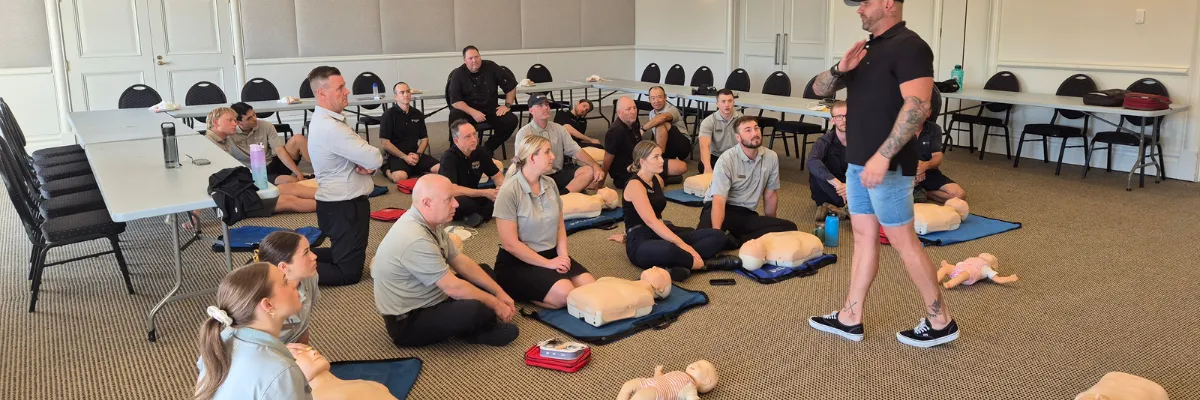
This is where the training gets real. You'll be working with actual electrical equipment (safely isolated, of course) and practicing rescue techniques until they become second nature.
Switchboard Rescue Scenarios - Learning to safely approach someone who's unconscious near or against an electrical panel. You'll practice using non-conductive rescue poles, proper positioning, and safe removal techniques.
Cable and Wire Rescue - Different techniques for someone who's in contact with cables or overhead lines. This includes understanding approach distances and using insulated tools properly.
Equipment Familiarization - Hands-on practice with rescue poles, insulated gloves, voltage detectors, and other rescue equipment. You need to know how to use this gear under pressure.
Most training providers use purpose-built training rigs that simulate real electrical installations. The better providers have multiple scenarios set up so you get experience with different types of equipment and situations.
CPR Integration Requirements
Here's something that catches people off guard - UETDRRF004 includes CPR training as an integrated component. It's not just tacked on at the end; it's specifically focused on CPR for electrical shock victims.
Electrical Shock CPR Considerations - Electrical shock can cause specific cardiac issues that affect how you approach resuscitation. You'll learn about electrical cardiac arrest and why standard CPR techniques need to be modified.
AED Use in Electrical Emergencies - Automated External Defibrillators are common on job sites now, but using them after electrical shock requires specific knowledge about timing and safety considerations.
The CPR component is usually about 2-3 hours and includes practical assessment where you demonstrate proper technique on training mannequins.
Renewal Timeframes and Processes
Three-Year Validity Period - Your Low Voltage Rescue certification is valid for three years from the date of issue. That might seem like ages, but three years goes by fast when you're busy with work and family.
No Grandfather Clauses - When your certificate expires, it expires completely. There's no grace period or partial credit for having previous training. You need to complete the full UETDRRF004 course again.
Renewal Reminders - Smart operators set reminders for 6 months before their certificates expire. That gives you time to book training without creating compliance gaps.
Here's a pro tip: keep track of your whole crew's expiry dates in a spreadsheet or calendar app. Nothing worse than finding out someone's certificate expired the day before a big job starts.

Real Case Studies and Prosecutions
Gold Coast Solar Installer Case (2023) - A solar installation company was fined $180,000 after a worker received serious electrical burns. Investigation found that while the worker had electrical qualifications, he hadn't completed Low Voltage Rescue training. The company owner was personally fined an additional $36,000.
Brisbane Commercial Electrician Prosecution (2024) - An electrical contractor faced criminal charges after a worker was electrocuted on a commercial job site. Key evidence included the fact that other workers on site weren't trained in rescue procedures and couldn't provide immediate assistance. The contractor received a suspended prison sentence and $200,000 in fines.
These cases show that penalties are getting larger, personal liability for business owners is increasing, and WorkSafe is holding principal contractors responsible for subcontractor compliance.
The Bottom Line on Compliance
Getting UETDRRF004 training isn't just about ticking a compliance box - it's about protecting yourself, your workers, your business, and your family's financial future. The penalties for non-compliance are severe and getting worse, while the cost of proper training is relatively small.
In the Gold Coast's competitive electrical market, being properly trained also opens up work opportunities that aren't available to non-compliant operators. It's both risk management and business development rolled into one investment.
Don't wait for a WorkSafe inspector or insurance investigation to discover your training gaps. Get your crew properly trained now, keep records current, and treat safety compliance as the serious business issue it is.