Low Voltage Rescue Course Requirements: Complete Guide for Australian Electrical Workers
You know that sinking feeling when you see another high-paying solar job slip away because you don't have the right certification? Last week, Mark Thompson from Nerang watched a $15,000 commercial solar contract go to his competitor - all because his crew wasn't LVR certified.
In Australia's electrical industry right now, low voltage rescue training isn't just some box-ticking exercise. It's become the gatekeeper to the most lucrative work in our booming construction and solar sectors. Without proper LVR certification, you're not just putting lives at risk, you're watching thousands of dollars walk out the door every month.
The Gold Coast's construction boom has created a perfect storm. Solar installations are through the roof, high-rise developments are popping up everywhere, and WorkSafe Queensland is cracking down harder than ever. Meanwhile, most sparkies are scrambling to understand what they actually need to get certified.
This guide breaks down every requirement for low voltage rescue courses in plain English. You'll learn exactly what's needed for UETDRRF004 certification, how long it takes, and where to get it done on the Gold Coast without disrupting your work schedule.
Whether you're a solar installer, commercial electrician, or contractor trying to protect your business, this guide has everything you need to get certified and start bidding on those jobs you've been missing out on.
What is Low Voltage Rescue Training? (UETDRRF004)
The Reality Behind LVR Training
Low voltage rescue training teaches you how to safely rescue someone who's been electrocuted while working with electrical systems under 1000 volts. UETDRRF004 is the official unit code that covers "Perform rescue from a live LV panel."
This training prepares you for those heart-stopping moments when a workmate gets zapped and you need to act fast without becoming another casualty. When someone's stuck to a live electrical panel, every second counts. You can't just grab them and pull - that'll kill both of you. The training teaches you the proper sequence: isolate power, assess the scene, perform rescue, and provide first aid.
Legal Requirements Under Australian Standards
Under Australian Standard AS/NZS 4836, anyone working on electrical installations must have appropriate rescue training. WorkSafe Queensland has made it crystal clear: if you're working with low voltage electrical systems, you need to be able to perform electrical rescue.
The standard requires that "persons working on electrical installations must be trained in rescue procedures." This covers solar installers, apprentices, electrical workers, and contractors supervising electrical work. Miss this requirement, and you're looking at massive fines and potential prosecution.
Difference Between High Voltage and Low Voltage Rescue
For most Gold Coast electrical workers, low voltage rescue is what you need. This covers everything from residential solar systems to commercial switchboards in those new high-rise developments around Surfers Paradise.

Who Needs Low Voltage Rescue Certification?
Pretty much everyone working with electrical systems these days needs this certification.
Mandatory Occupations
Solar Installers and Technicians: You literally cannot work on solar installations without LVR certification. Every major solar company requires it, and most insurance policies won't cover you without it. We're talking about a $3 billion industry you're locked out of without this certification.
Commercial Electricians: Working on shopping centers, office buildings, or developments in Broadbeach and Surfers Paradise? LVR certification is mandatory. Major builders won't let you on site without it.
Electrical Contractors and Business Owners: WorkSafe holds you responsible for your crew's safety. Every worker who touches electrical systems needs LVR training - including apprentices and subcontractors.
Maintenance Technicians: Building maintenance staff, facility managers, and industrial maintenance crews all need this training if electrical work is part of their job.
WorkSafe Queensland Requirements
WorkSafe Queensland isn't messing around. They've ramped up enforcement, and penalties for non-compliance start at $6,000 for individuals and go up to $60,000 for companies. If someone gets seriously injured, you're looking at potential manslaughter charges.
Last year, WorkSafe prosecuted dozens of electrical contractors for safety breaches. Most could have been avoided with proper training.
Insurance and Contractor Requirements
Your public liability insurance probably requires proper safety training. Without LVR certification, your insurer might refuse claims related to electrical incidents - potentially millions in liability from your own pocket.
Major contractors like Hutchinson Builders and Multiplex now require LVR certification before they'll consider your tender. Government projects almost always require it, and solar companies won't hire uncertified workers.
Essential Prerequisites and Eligibility Criteria
Physical Fitness Standards
This involves physical activity that could save lives:
Lift and move an unconscious person (70-80kg)
Perform CPR for extended periods
Work in confined spaces and awkward positions
Adequate vision and hearing for emergency assessment
You don't need to be a fitness fanatic, but you can't have medical conditions preventing rescue procedures.
Existing Electrical Qualifications Needed
For Electrical Workers: Certificate III in Electrotechnology covers electrical knowledge requirements.
For Solar Installers: Need electrical qualifications or specific solar training through accredited providers.
For Non-Electrical Workers: Some providers require additional electrical safety training before LVR training.
LVR training assumes you know basic electrical safety. Without that foundation, you'll struggle with course content.
English Language Proficiency Requirements
You need to understand safety information perfectly - lives depend on it. Requirements include:
Reading safety procedures and emergency protocols
Following verbal instructions from emergency services
Communicating clearly during rescue situations
Understanding and responding to safety briefings
Most providers offer language support, but you must demonstrate safe rescue procedures and effective emergency communication.

Complete Course Requirements Breakdown
Theory Component Requirements
Electrical Safety Fundamentals:
How electricity kills and injures people
Different injury types (burns, cardiac arrest, falls)
Understanding electrical hazards
Safe approach distances and isolation procedures
Rescue Procedures and Techniques:
Step-by-step rescue procedures for different scenarios
When NOT to attempt rescue
Equipment inspection and selection
Working with emergency services
Legal Requirements: Your obligations under work health and safety laws, incident reporting, and duty of care.
First Aid Integration: How electrical injuries differ from other trauma and specific treatment considerations.
Practical Assessment Criteria
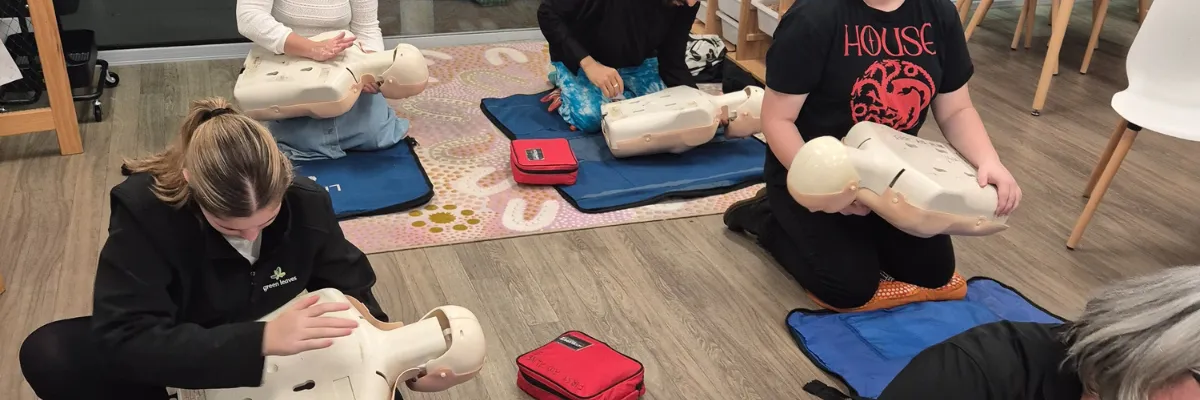
You'll be assessed on actual rescue scenarios using mannequins and mock electrical panels:
Scene Assessment: Identify hazards, safely approach, use PPE, isolate power correctly.
Rescue Execution: Remove casualty safely, proper lifting techniques, work under time pressure.
Emergency Response: Call appropriate help, provide clear information, begin first aid.
You'll practice different scenarios - unconscious person touching live panels, falls after electric shock, multiple casualties from arc flash incidents.
CPR Certification Requirements
Your CPR certificate must be:
From recognized provider (Red Cross, St John Ambulance)
Less than 12 months old
Include AED (defibrillator) training
Adult CPR competency required
The course covers how electrical injuries affect CPR - electrocution victims might need longer resuscitation because heart rhythm can be restored after extended periods.
Gold Coast LVR Training
RTO (Registered Training Organization) Requirements
Only RTOs can issue valid UETDRRF004 certificates. Check their RTO number on training.gov.au and verify UETDRRF004 is in their scope. Avoid providers offering "equivalent" training or those who can't show RTO credentials.
Get Your LVR Certification Sorted Today
Without LVR certification, you're missing out on the best work in Australia's busiest electrical market. Every day you wait is another day of lost income while competitors win solar contracts, commercial jobs, and high-rise work.
Do This Right Now:
Check your certifications - When do they expire? Is CPR current?
Assess crew needs - How many need certification? Group discounts available?
Book training - Weekend courses fill fast
Plan renewals - Set reminders for CPR (12 months) and LVR (3 years)
The Gold Coast electrical industry keeps growing. Solar installations break records monthly, developments keep rising, and WorkSafe gets stricter. Your family depends on steady income, your crew relies on safety and employment, and your business needs competitive advantage.
Don't let another contract slip away because you lack the right certification. Get your LVR training booked today and get back to winning the work you deserve.
Contact us today at 0434778243 | 04FIRSTAID to discuss your training needs, arrange group bookings, and ensure you meet requirements without disrupting your schedule. Your next big contract is waiting - make sure you're qualified to bid on it.