
Is LVR Training Mandatory in Queensland? The Full Answer
The job starts today. The principal contractor's site coordinator runs through the induction checklist and stops at LVR. Yours expired three months ago. You're not starting.
That scenario plays out on Brisbane sites more often than most tradies want to admit. And when it happens, the panic is real. You've already committed to the job. The money was counted. Now you're standing in a car park wondering how fast you can sort this out.
So, is LVR training mandatory in Queensland? It's one of the most searched questions by Brisbane electricians and the answer is more nuanced than a flat yes or no. There's a legislative layer, a site-rule layer, and a practical reality that cuts through both.
This article covers all of it. You'll get the legal framework, which trades actually need UETDRRF004, what the certificate covers, how long it lasts, and how to get certified fast if you're already behind the eight ball.
Is LVR Training Mandatory in Queensland?
LVR training is mandatory in Queensland for electricians and related tradespeople who work near or on live low voltage panels. Under the Work Health and Safety Act 2011 (Qld) and the Electrical Safety Act 2002 (Qld), a PCBU must make sure workers have the skills and competency to carry out high-risk electrical work safely and UETDRRF004 satisfies that requirement. The distinction worth knowing: the legislative obligation and the site rule often overlap, but the practical outcome is identical either way.
Note: This article is general compliance guidance only. For advice specific to your situation, talk to your employer or a WHS professional.
What Is LVR Training and What Does UETDRRF004 Actually Cover?
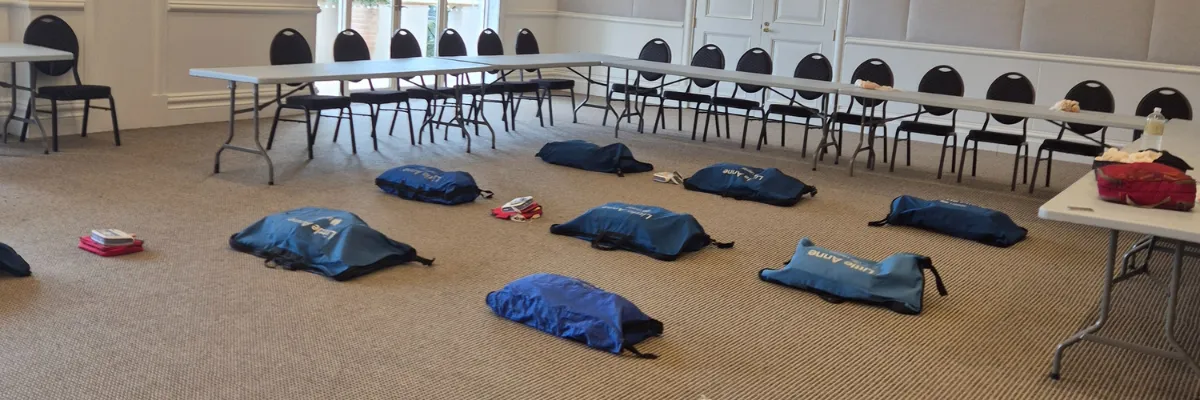
Low voltage rescue, LVR, is exactly what it sounds like. It's training that prepares you to rescue a workmate from a live LV panel and manage the emergency response in those critical minutes before paramedics arrive.
UETDRRF004, Perform Rescue from a Live LV Panel, is the nationally recognized unit of competency that covers this skill. It sits inside the UET (Electrotechnology) training package, which means it's the same standard whether you do it anywhere in Australia.
Here's what the course actually covers:
The delivery is scenario-based and practical. If you've been on the tools for five or ten years, you're not going to sit through a room full of slides explaining what a fuse is. The course respects your experience level and focuses on the skills that actually matter when something goes wrong on site.
That's actually one of the things trades notice when they go through a well-run UETDRRF004 session. It's not a tick-and-flick exercise. The practical scenario component puts you in the situation and makes you work through it properly, because if it ever happens on a real job, there's no time to stop and think. The muscle memory has to be there already.
Now that you know what UETDRRF004 covers, here's the question most Brisbane electricians actually want answered. Is it actually the law?
Is LVR Training a Legal Requirement in Queensland?
LVR training is a legal requirement in Queensland for workers who perform or are present during high-risk electrical work involving live low voltage equipment. The obligation sits across two pieces of legislation, and if you work on any commercial or industrial site, both apply to you.
The Legislative Requirement
The Work Health and Safety Act 2011 (Qld) and the Work Health and Safety Regulation 2011 (Qld) place a duty on every PCBU, that's your employer or principal contractor, to make sure workers have the competency and training to carry out high-risk work safely. Working near live LV panels qualifies as high-risk work. UETDRRF004 is the unit that satisfies that competency requirement.
On top of that, the Electrical Safety Act 2002 (Qld) and the Electrical Safety Regulation 2013 (Qld) set Queensland-specific obligations around electrical licensing and safe electrical work practices. These aren't vague suggestions. They're enforceable obligations with real consequences for non-compliance.
The Site Rule Reality
Here's the practical layer that sits on top of the legislative one. Virtually every Tier 1 and Tier 2 principal contractor operating in Queensland mandates a current LVR certificate as a condition of site entry. That includes commercial construction, mining services, facilities management, and solar installation. It doesn't matter if you've been on the tools for twenty years. No current ticket, no access.
So the requirement is clear. The next question is whether it applies to your specific trade or role.
Who Needs LVR Training in Queensland?
If you work near live low voltage panels as part of your regular job, you need a current UETDRRF004. That covers a wider range of trades and roles than most people expect. Here's the list:
Licensed electricians
Electrical apprentices, typically third and fourth year
Solar installers
Data and communications technicians working near LV panels
Facilities maintenance electricians
Electrical site supervisors
If you run an electrical contracting business, it's not just your licensed sparkies who need a current ticket. Your entire team working near live LV panels needs one, apprentices included. A single expired certificate in your crew can hold up a whole job.
What About Apprentices?
LVR becomes relevant for apprentices as they move into their third and fourth year. That's the point where they're starting to work closer to live equipment and taking on more complex tasks on site. Most employers who do it right arrange group training for their apprentices before that stage hits, rather than scrambling when a site induction flags the gap.
It's worth noting that some principal contractors are asking for evidence of LVR training earlier than you'd expect. If your apprentices are regularly on commercial sites, getting them trained ahead of schedule is the smarter move. It removes a potential blocker before it becomes one.
If you've got a group of apprentices coming up to that point, onsite group delivery is the most practical way to sort it. One session, everyone covered, minimum disruption to the workday.
Once you know you need it, the next detail to get right is understanding exactly when your certificate expires and what happens if it does.
How Long Is an LVR Certificate Valid and What Happens If It Expires?
Twelve months. That's it.
There's no grace period, no two-week buffer, no quiet understanding between you and the site coordinator. The day your LVR certificate expires, it's invalid and any principal contractor running a proper site induction will pick it up.
Most tradies know this in theory. The problem is that LVR is one of several tickets you're managing at any given time, white card, first aid, asbestos awareness, maybe confined space. It's easy for the expiry date to sneak past you, especially when work is busy and renewals feel like admin you'll get to later.
A good habit is to set a calendar reminder three to four weeks before your LVR expiry date. That gives you enough runway to find a session that fits your schedule, rather than being forced to take whatever's available because you're already out of time. It sounds obvious, but most of the calls [RTO_NAME] gets from tradies in a panic are people who knew the expiry was coming and just didn't act on it early enough.
Then Monday morning arrives and you're standing at a site induction with an expired ticket.
The consequences aren't just inconvenient. For sole traders and subcontractors, being excluded from site means lost income, sometimes for days while you find a course with availability. For the PCBU, allowing a worker on site with an expired LVR certificate creates genuine WHS liability. And for employed electricians, it often means an awkward conversation with the boss about why the job got delayed.
A Brisbane subcontractor working on a commercial fit-out discovered his LVR had lapsed the morning of his site induction. He called [RTO_NAME] before 9am, booked a session for the following day, and was back on site with a valid UETDRRF004 certificate within 48 hours. His contracting business has since arranged annual group renewals for their full electrical team so it never happens again.
If that sounds like a situation you've been in, or one you can see coming, the next section covers exactly how to get certified fast.
How to Get Your UETDRRF004 Certificate Fast
Short notice is normal. Most electricians don't book their LVR renewal months out. They book it when they have to. If you need your certificate within 48 to 72 hours, that's a situation [RTO_NAME] deals with regularly.
Here's the process from start to certificate:
Find an ASQA-registered RTO delivering UETDRRF004, not every training provider offers this unit, so check registration first
Check upcoming session dates and confirm there's availability in your timeframe
Confirm certificate format and national recognition, it needs to be issued under the UET training package and accepted by principal contractors
Book online, price, date, and location confirmed at the point of booking
Attend, complete the practical assessment, receive your certificate, issued same day
What to Expect on the Day, The UETDRRF004 Assessment
If you're worried about sitting through a full day of content you already know, don't be. The UETDRRF004 assessment is practical, focused, and delivered by trainers who've actually worked in the electrical trade, not generalists who learned the material from a manual.
Here's what the assessment covers:
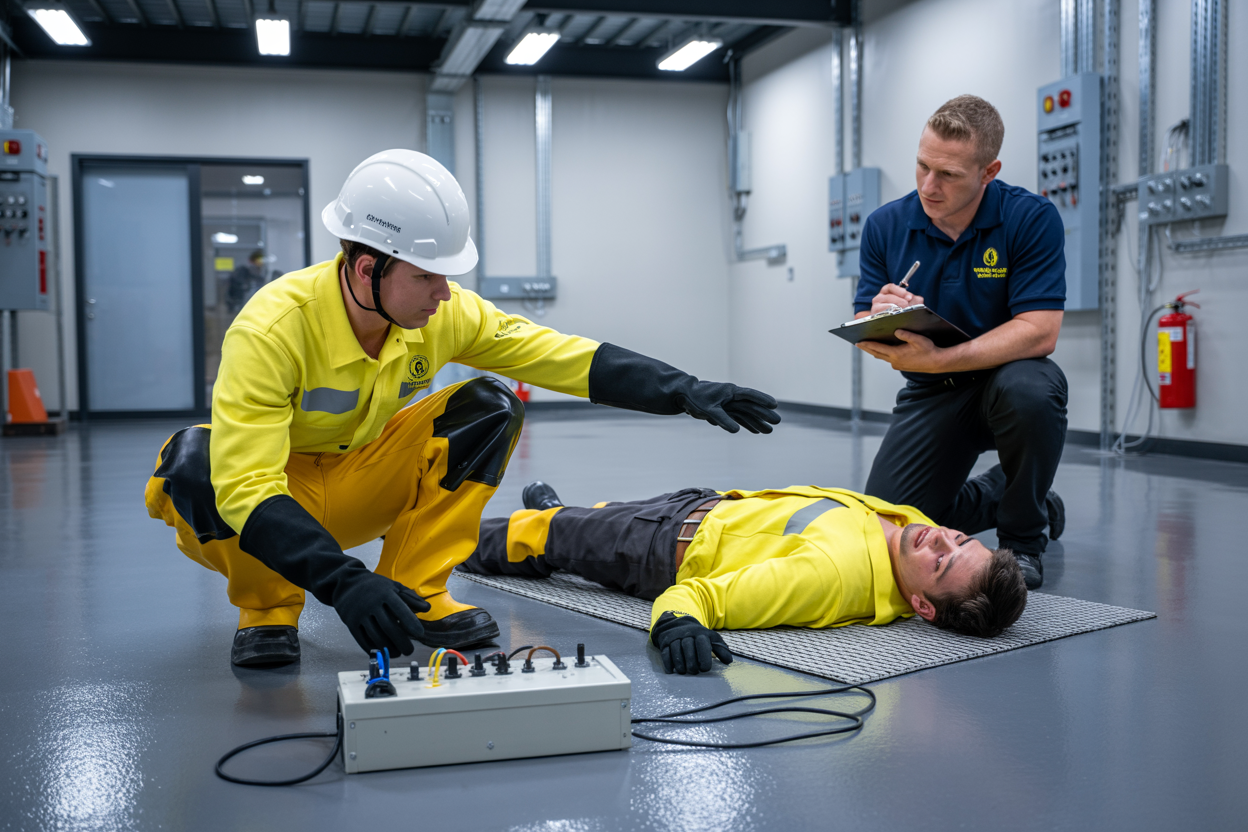
Simulated LV panel rescue scenario, you work through a realistic rescue situation from start to finish
Correct isolation and approach procedure, demonstrating you know how to make the environment safe before making contact
Rescue and casualty management, getting the person clear and managing their condition until emergency services arrive
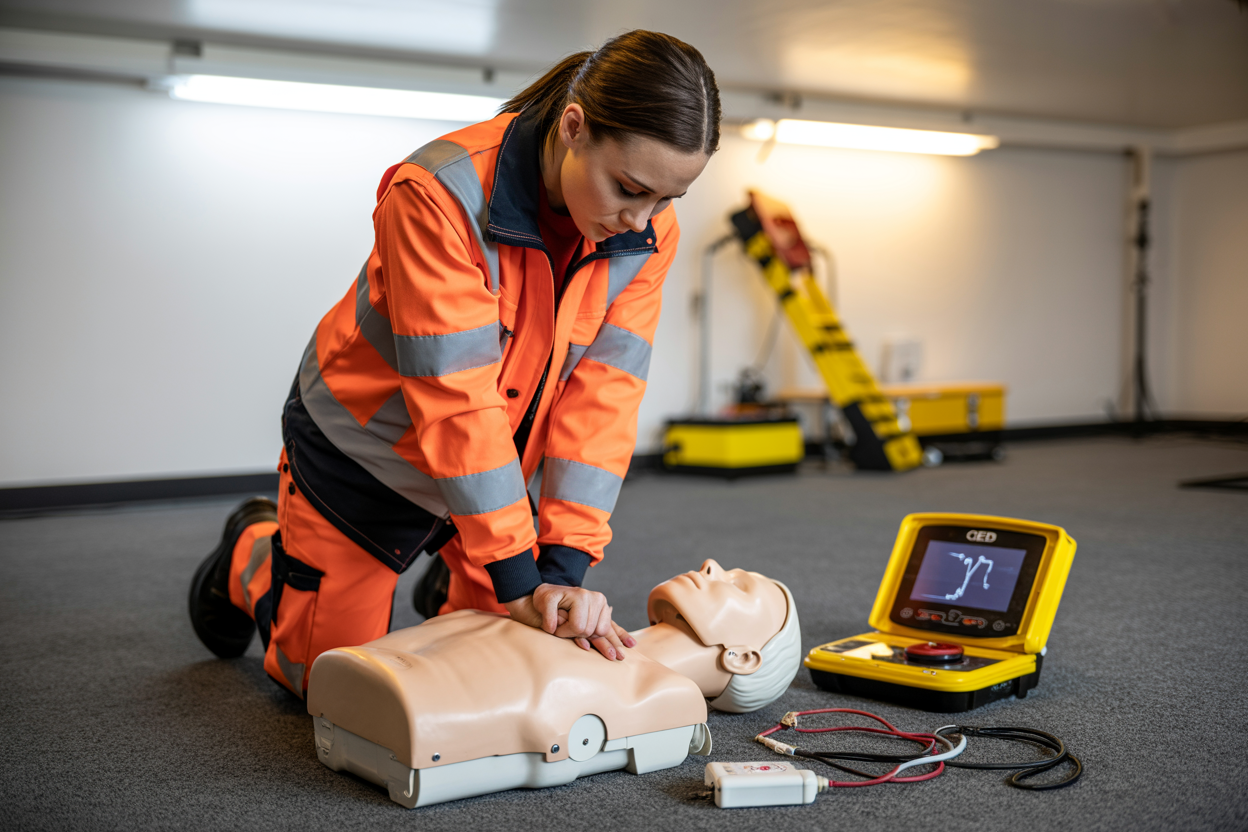
CPR and AED response integration, electrical incidents and cardiac arrest go hand in hand and both are assessed
Debrief and competency sign-off, your trainer walks through your performance and signs off on competency
The course is not padded out. Experienced tradies aren't lectured on basics they've known for years. The delivery respects your background and keeps the focus on practical competency.
What most tradies say afterwards is that the simulated rescue scenario is more confronting than they expected, in a good way. It puts you in the position of being the first person on the scene when a workmate is in contact with a live panel, and it forces you to work through the response under pressure. That's exactly the point. If it ever happens on a real job, the training needs to have prepared you for the stress of the moment, not just the theory of what to do.
What's Next
The answer to whether LVR training is mandatory in Queensland isn't really a grey area once you understand how the pieces fit together. The legislative framework is clear, the site rules reinforce it, and the practical reality on every commercial and industrial site in Queensland leaves no room for interpretation. If you work near live low voltage panels, you need a current UETDRRF004. Full stop.
The certificate is valid for 12 months and there's no grace period. That means staying on top of your expiry date isn't optional. It's the difference between starting a job on Monday and standing in a car park trying to find a course with next-day availability. Getting caught out once is understandable. Getting caught out twice is avoidable.
The good news is that getting certified or getting recertified doesn't have to be a production. UETDRRF004 sessions with short-notice availability for tradies who need it fast and onsite group delivery for electrical contractors who need to get a whole crew sorted at once. The process is straightforward, the training is practical, and the certificate is issued on the day.
Don't wait until the site induction to find out your ticket has lapsed. Check your expiry date today, book your renewal, and walk onto your next job with every ticket current and no questions asked.