Electrical Shock Response Course: Save a Life | Gold Coast
Think about a crew on a live high-rise job. One of the apprentices is up at a live switchboard, doing exactly what he was trained to do, when something goes wrong. He's down. And from that moment, nobody on that crew moves faster than the guy who actually knows what to do next.
That's the gap most crews don't talk about. Everyone's got their isolation procedures down, their LOTO tags sorted, the theory memorised backwards. But ask a crew when they last practiced what happens right after someone's already been shocked, and you'll get a lot of blank stares. Most blokes can recite the rules. Fewer have actually rehearsed the moment where the rules stop being theory and become the thing standing between a mate walking off site and a mate not walking off site at all. That's exactly what an electrical shock response course is built for, and it's not another slideshow session where you're watching the clock tick down.
There's a difference between knowing what you're supposed to do and having done it enough times that your body just goes there without you having to think it through. That's the whole point of scenario-based training. It's not about ticking a box, it's about building muscle memory for the worst day of someone's working life, so if it ever happens, the response is automatic instead of panicked.
Below we'll walk through what's actually taught, how it's different to a standard first aid ticket, why it matters more than ever with the Gold Coast building boom, and how to get your whole crew certified without losing billable time on site.
This isn't a course built by people who've never stood near a live board. It's built around the actual reality of a working site, the noise, the pressure, the fact that nobody's operating in ideal conditions when something goes wrong. That's the whole reason scenario-based training exists in the first place, rather than another round of theory that sounds fine in a classroom and falls apart the moment it's tested for real.
What Should You Do If Someone Gets an Electric Shock?
If you're on site and it happens right now, here's the order it goes in. Print this out, stick it in the site shed, whatever you need to do.
Don't touch them. They could still be in contact with the live source, and now you're a second casualty instead of a helper. This is the step that gets skipped most often, because every instinct in your body says to grab your mate and pull him clear. Fight that instinct.
Isolate the power at the switchboard, mains, or breaker, but only if it's safe to get to. If you can't isolate it fast, don't waste precious moments hunting for the right switch, move straight to the next step.
Call triple zero (000) for an ambulance straight away. Do this even if the person seems okay afterward, electrical injuries can cause damage that isn't obvious on the surface.
Check breathing and responsiveness, but only once the area's confirmed safe. Rushing this step before the site's actually clear is how a one-person incident becomes a two-person incident.
Start CPR if they're not breathing normally. This is where the muscle memory from proper training kicks in, because thinking through the sequence from scratch under pressure costs precious moments you don't have.
Don't move them unless they're in further danger where they are. Moving an injured person unnecessarily can make things worse, particularly with suspected spinal or internal injuries from a fall.
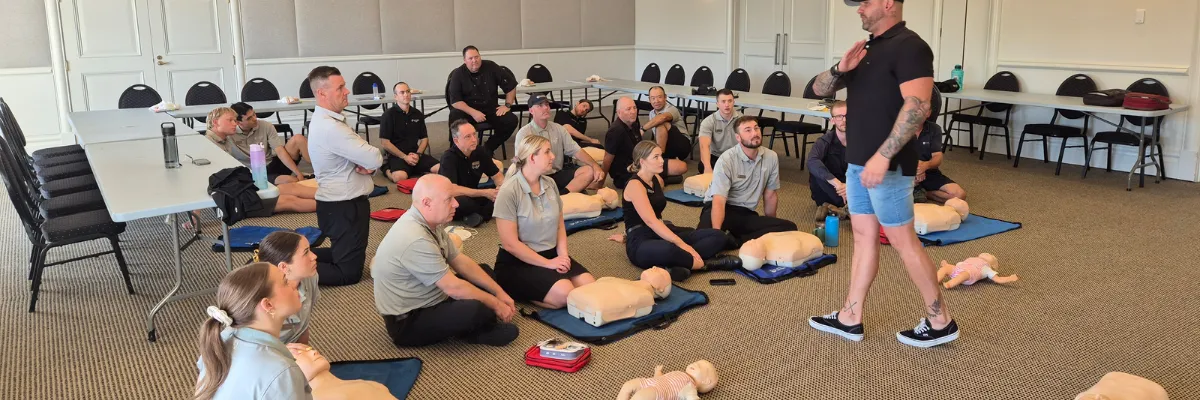
That's the bare bones version. The course teaches you how each of those steps actually plays out on a live site, not in a classroom with a mannequin on clean carpet. Because a site floor is nothing like a training room floor, and everyone who's worked knows it.
What Is an Electrical Shock Response Course?
An electrical shock response course is exactly what it sounds like: training built specifically around what to do before, during, and after someone makes contact with a live source. It sits alongside your standard first aid ticket, but it's not the same thing, and we'll get into why in a second.
Who It's Designed For
This one's built for the people actually standing at the switchboard, not just anyone ticking a compliance box:
Electricians
Leading hands
Apprentices
Site supervisors
If you've got a crew working anywhere near live systems, this is for every one of them, not just the licensed sparky running the job. That includes the apprentice who's only six months into his ticket, because he's every bit as likely to be first on the scene as anyone else.
What's Covered
The course walks through safe isolation, how to break contact with someone without becoming the next person down, CPR sequencing specific to electrical shock, and the judgment call every tradie eventually faces: do you wait for paramedics or do you act now. That last one's the bit most training skips, and it's the bit that actually matters when you're the one standing there. Nobody wants to be the person who freezes because they were never actually taught how to make that call under pressure.
If your crew's also due for their Low Voltage Rescue ticket, that's a natural next step to sort out at the same time, so it's worth checking where the two courses overlap for your team. There's real value in bundling related compliance requirements into one conversation rather than chasing each one separately every time it comes up.
Electrical Shock Response vs. Standard First Aid: What's the Difference?
Fair question, and one we get a lot. "Isn't this just another box to tick?" No, and here's why.
Why HLTAID011 Alone Doesn't Cover It
A standard first aid ticket is built for general public use, general injuries, general illness. It's good training, don't get us wrong. But it doesn't touch live-fault scenarios, switchboard rescue, or the specific risks that come with electrical contact. If your crew's only ever done the general course, they've got a gap, and most of them don't know it's there until someone points it out. That's not a knock on general first aid, it just wasn't designed with a live switchboard in mind.
Why Sparkies Need Scenario-Based Training
This isn't slideshow-only content. It's hands-on, switchboard-realistic training that puts your crew in something close to the real thing, not a PowerPoint with a few stock photos thrown in. That's the difference between a crew that freezes and a crew that acts. You can watch a video about breaking contact safely a hundred times, but until your hands have actually done it, you don't really know if you can.
Here's how the two stack up side by side:
For broader guidance on electrical rescue competency, Safe Work Australia and the Electrical Safety Office QLD are both worth a look.
Why This Matters on Gold Coast Building Sites Right Now
Rising Live-Site Risk With the Gold Coast's Construction Boom
The light rail expansion and the run of high-rise residential builds going up across the Gold Coast mean more crews working more live sites, more often. That's not a slow season kind of problem, that's a problem right now. More live work means more exposure, and more exposure means the crew that's actually prepared is the crew that comes home at the end of the day. Every extra site coming out of the ground is another site where someone's crew is going to be up against a live board at some point, and there's no getting around that reality while the boom keeps running.
What a WHS Audit Checks For
Electrical rescue currency isn't a nice-to-have on an audit, it's a line item someone's going to check. If your crew's tickets aren't current, that's flagged, and that's a headache nobody wants when there's already enough going on across a job site. An auditor doesn't care how busy the week's been, they care whether the paperwork matches the people standing on site, and that's a gap that's entirely avoidable with a bit of planning.
Personal Liability for Leading Hands
Here's the bit that keeps a lot of leading hands up at night. If something goes wrong on your site and nobody's current, that question comes back to you first. Not head office. Not the company. You. That's the reality of the role, and it's exactly why getting ahead of it matters more than most other admin on your plate. You're the one who signed off on the crew for that day, and you're the one who has to answer for it if something's missing.
There's also the part of the job nobody puts in the site induction. If something goes badly wrong and it comes out afterward that the training gap was known and never addressed, that's a very different conversation to have with a mate's family than one where everything that could reasonably be done, was done. Nobody wants to be on the wrong side of that distinction, and it's entirely avoidable with a bit of forward planning.
What Happens in the Course: A Practical Walkthrough
So what does it actually look like? Here's the practical rundown.
Hands-On Components
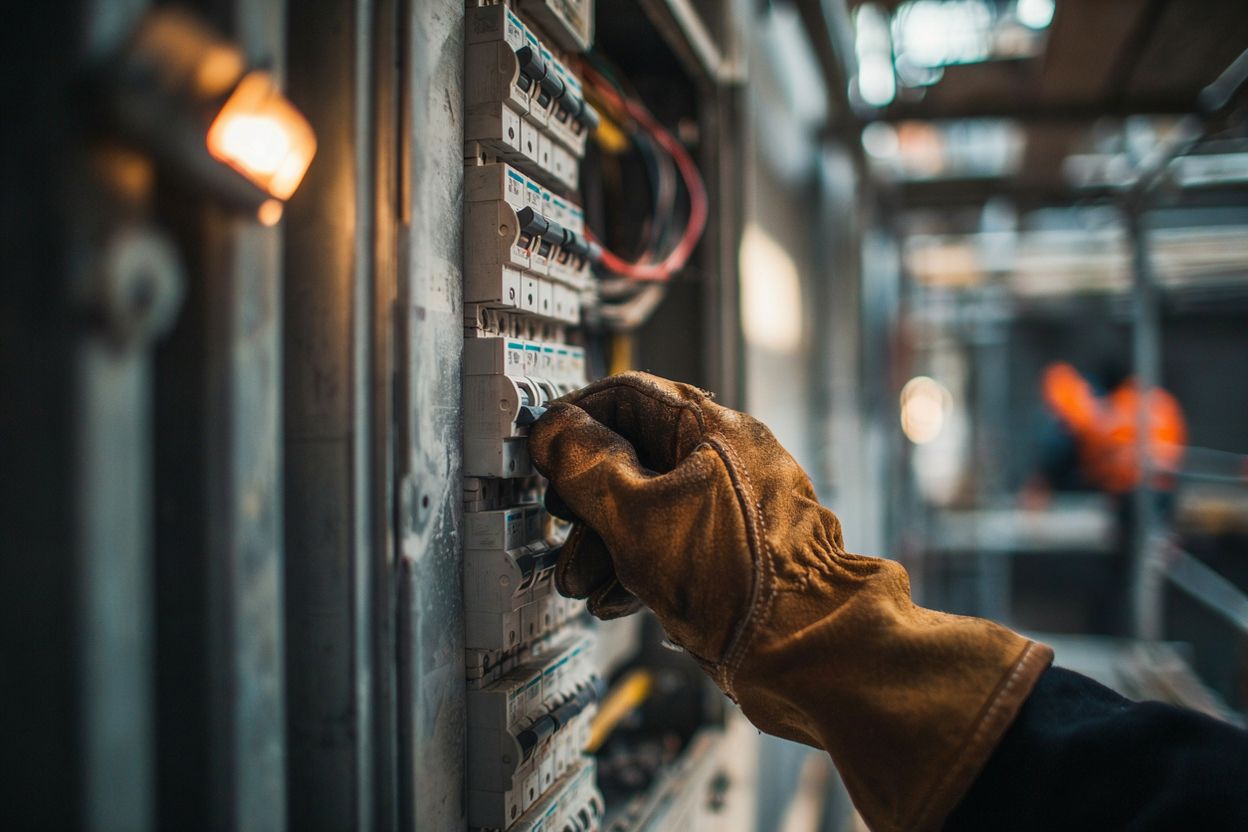
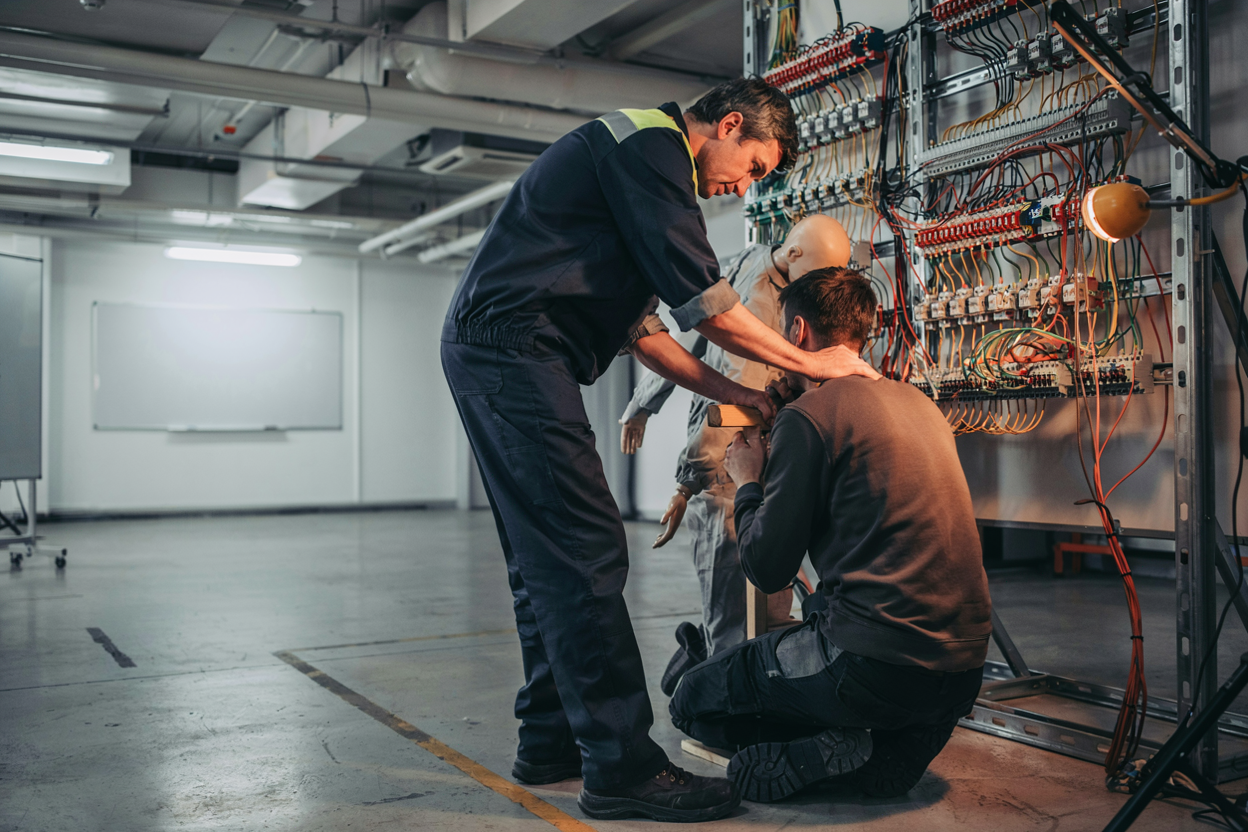
This is where it earns its keep. Your crew works through switchboard simulation, live-fault scenario practice, and breaking contact safely, the actual physical skill of getting someone away from a live source without becoming the next person down. It's not something you can learn from a slide. You've got to do it with your hands to know you can do it under pressure. The simulation is built to feel as close to a real board as possible, because a sanitized version of the scenario doesn't prepare anyone for the real thing.
Assessment and Certificate Delivery
Once the practical's done, there's an assessment component to make sure it's actually sunk in, not just sat through. The goal is always getting that paperwork into your hands fast, so there's no gap between finishing the course and being able to prove your crew's current. That paperwork matters just as much as the training itself, because a crew that's genuinely competent but can't prove it on paper still fails an audit.
If your business runs on visual proof for compliance folders, ask about photo documentation of the switchboard simulation when you book, it's the kind of thing that shuts down the "was this just a box-ticking exercise" question fast.
Getting Your Whole Crew Certified Without Losing Time on Site
Worried about pulling your crew off billable work? Keep reading, because this is the bit that answers that straight up.
Group and Crew Booking Process
You don't need to organize five separate bookings for five separate blokes. One point of contact, one transaction, one conversation with us, and the whole crew's sorted. That's it. No chasing five confirmation emails or working out who's booked in and who's fallen through the cracks. You tell us who's on the crew, we handle the rest, and you get one clean confirmation instead of a scattered mess of individual bookings to keep track of.
Flexible Scheduling
We build the session around your live site and your handover deadlines, not the other way round. Whatever fits your crew's roster is the starting point for the conversation. If your crew's tied up on a job that can't afford a gap, we work around that instead of expecting you to work around us.
Tracking Renewal Dates Across a Crew
Once everyone's certified, the next headache is knowing who's due for renewal and when. Nobody wants to run that off a wall calendar at the depot or try to keep it in their head between jobs. We can help make sure nothing lapses without you noticing. That's one less spreadsheet you have to build and maintain on top of everything else that's already competing for your attention during a busy week.
Conclusion
Getting shocked on a live site isn't something that happens to someone else's crew, it's something that can happen on any site, any day, no matter how careful everyone's being. The theory's important, but theory doesn't help much once it's already gone wrong. What helps is a crew that's actually practiced it, hands-on, under something close to real pressure.
That's the whole point of this training. It's not about ticking a box so an audit doesn't flag you. It's about the apprentice on your crew knowing exactly what to do if it's you on the ground instead of him. It's about not having to explain anything to anyone's family, because everyone on site knew what to do and did it. That's not a compliance outcome, that's a human one, and it's the one that actually matters when everything else falls away.
Running a crew on the Gold Coast right now means running a crew on busier, more electrically live sites than five years ago. That's not going away with the light rail and high-rise work still ramping up. If anything, it's only going to keep building as more projects break ground across the region. The crews that come out ahead aren't the ones who got lucky. They're the ones who got ready.
If you've read this far, you already know where your crew stands on this. Maybe everyone's current and you're just making sure. Maybe there's a gap you've been meaning to sort out for a while now. Either way, the only question left is whether you're going to do something about it this week, or wait until an audit, a near miss, or a lapsed ticket makes the decision for you. One of those options is entirely in your control. The other one isn't.