Electrical Industry WHS Unit: What's Assessed? (UEECD0007)
Most people looking into the electrical industry WHS unit aren't stressed about the content. It's the assessment that gets them. They want to know what gets tested, whether it's some big written exam, and what happens if they don't pass before the intake.
The boss has given you a date. Get UEECD0007 done before the next intake, and the apprenticeship is yours. If that's where you're at, you're not the only one. Heaps of TAs and career changers are in the same spot right now, phone in hand on smoko, trying to work out what they've actually signed up for.
Here's the short version. UEECD0007 is a core WHS unit in the UEE Electrotechnology Training Package. It sits under the Work Health and Safety Act 2011 (Qld), which covers safety on every job. It also sits under the Electrical Safety Act 2002 (Qld), which is the one written just for electrical work.
This guide lays out exactly what's assessed, in plain English, so nothing catches you off guard on the day.
We'll go through the practical skills you'll show, the knowledge side of things, and how Accelerate runs the assessment. Then we'll cover how to prepare and what happens once you've passed UEECD0007.
What Is Assessed in UEECD0007?
UEECD0007 assesses whether you can apply WHS laws, codes of practice and safe work procedures in an electrotechnology workplace. You must show both practical skills and underpinning knowledge, including:
Identifying hazards and evaluating risk on an electrical worksite
Applying risk controls using the hierarchy of control
Selecting and using the correct PPE and manual handling techniques
Confirming safe isolation has been completed by an authorized person
Demonstrating safe methods for removing a shock victim from a live electrical situation
Following emergency procedures and reporting hazards
Completing WHS documentation and incident records
Knowing your WHS legal duties and the common causes of electrical accidents
That's the whole list. Eight things. A lot less scary than whatever you'd built up in your head.
The UEECD0007 assessment checks two things: what you can do on a job, and what you know about why the rules are there. Same as on site really. Your supervisor doesn't just want you wearing the right gloves, they want you to understand why those gloves and not the pair sitting in the ute.
Here's what the doing side looks like on a real job.
The Practical Skills You'll Show in the Electrical Industry WHS Unit
Spotting Hazards and Evaluating Risk
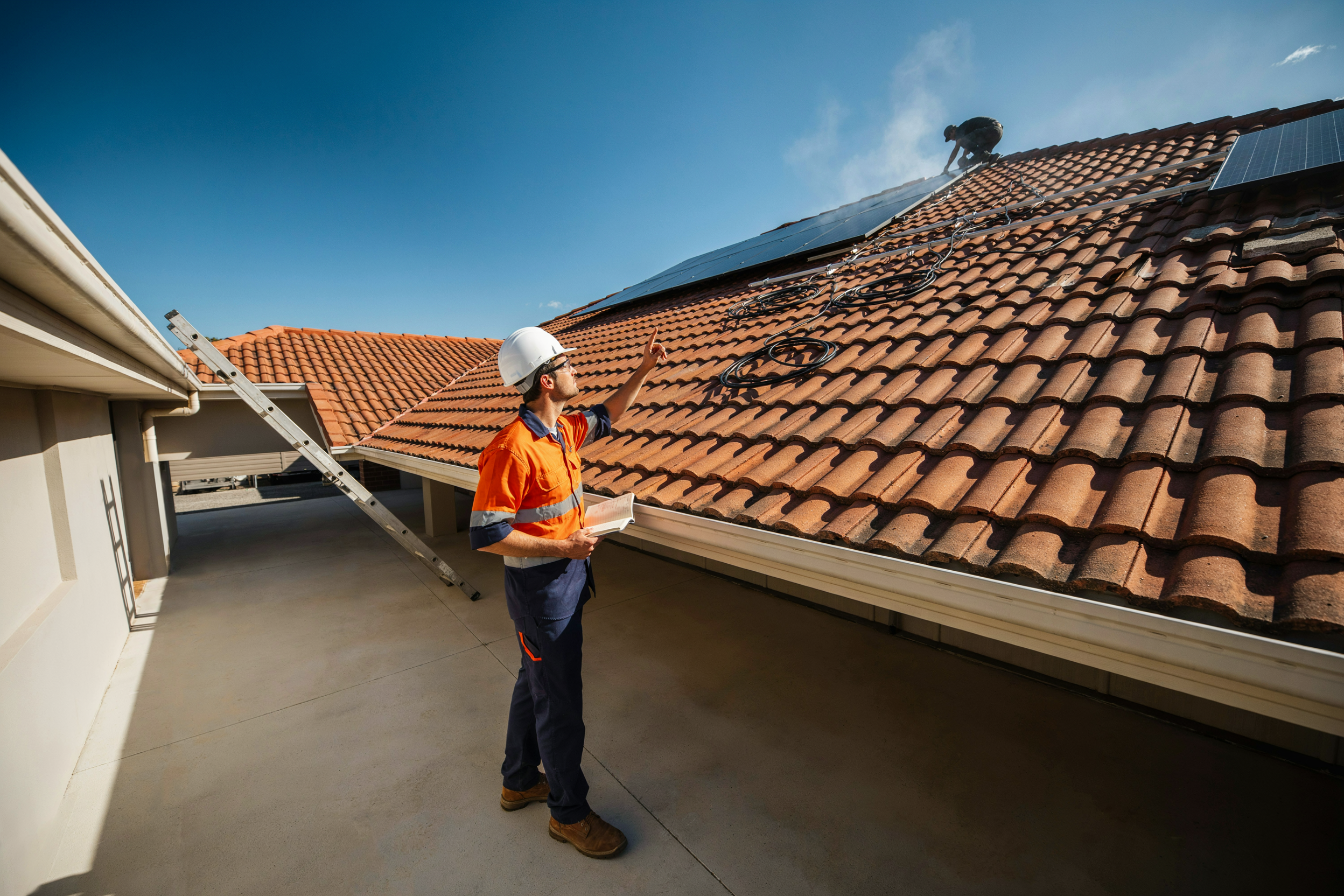
A hazard is anything that could hurt someone. On an electrical job that's live parts, working at heights on roofs, the heat, cramped ceiling spaces, and solar DC isolators that can still be energized when you think they're dead.
Think about a rooftop solar install in the middle of summer. Hot tiles, a steep pitch, DC cabling running everywhere. That's four or five hazards before you've even touched a tool.
Risk is just how likely something is to happen, times how bad it'd be if it did. The assessor wants to see you spot the hazards and rank them, not just list them.
Controlling Risk With the Hierarchy of Control
Once you've found a hazard, you control it using the hierarchy of control. It goes in this order, from most effective to least:
Level | What it looks like on the job |
Elimination | Get rid of the hazard, like doing the work de-energized |
Substitution | Swap for something safer, like a lower-voltage tool |
Isolation | Separate people from the hazard, like barricading a switchboard |
Engineering | Change the setup, like guarding or RCD protection |
Administrative | Rules and procedures, like permits and toolbox talks |
PPE | Gloves, glasses, arc-rated gear |
PPE sits at the bottom for a reason. It's the last line of defense, not the first thing you grab. Assessors want to see you work down from the top.
Choosing and Using PPE, Plus Manual Handling
Your PPE has to match the task. Arc-rated clothing, insulated gloves, safety glasses and proper boots, picked for the job in front of you.
Manual handling counts too: ladders, cable drums across a warehouse floor, solar panels onto a roof. Lift properly, get help when it's heavy, and plan the path first.
Confirming Safe Isolation
This one gets misunderstood a lot. In this unit you confirm that isolation has been completed by an authorized person. The unit does not authorize you to isolate live systems yourself.
You'll need to know lock-out, tag-out and test before you touch. On a switchboard upgrade, that means checking the lock and tag are on and the circuit's been proven dead before anyone gets near it.
Removing a Shock Victim From a Live Situation
If someone's stuck on a live conductor, the first move is isolating the supply. Never touch the person directly, or you become the second victim.
Emergency Procedures, Hazard Reporting and Consultation
Every site has an emergency plan. You need to know yours, report hazards to the right person, and actually speak up at toolbox talks. Consultation goes both ways, the boss listens to you and you listen to them.
WHS Paperwork: SWMS, Risk Assessments and Incident Reports
A SWMS (safe work method statement) sets out the high-risk work being done, the hazards involved and how they'll be controlled. When the job counts as high-risk construction work, a SWMS is required before the work starts.
You'll also fill in incident and hazard reports. Paperwork feels like the boring bit, but in the UEECD0007 assessment it gets checked, so give it real effort.
Practical skills checklist
Hazards: spot them and rate the risk
Controls: apply the hierarchy, top down
PPE: match it to the task
Isolation: confirm it's been done by an authorized person
Shock victim: isolate supply, never touch directly
Emergencies: follow the plan, report hazards
Paperwork: SWMS, incident and hazard reports
Showing the skills is half of it. The other half is knowing why the rules exist.
What You Need to Know: The Knowledge Side of UEECD0007
You'll also need to show you understand the rules. And no, you don't need to memorize legislation word for word.
Queensland WHS Laws in Plain English
Work Health and Safety Act 2011 (Qld): the main safety law for every Queensland workplace
Work Health and Safety Regulation 2011 (Qld): the detailed rules, including when a SWMS is needed
Electrical Safety Act 2002 (Qld): the safety law written just for electrical work
Electrical Safety Regulation 2013 (Qld): the detailed electrical rules, like working near live parts
Codes of practice: practical guides on how to meet the law, published through WorkSafe Queensland
Think of the Acts as the "what" and the regulations and codes as the "how". That's honestly most of it.
The Jargon, Decoded
Here's what the courtroom-sounding words mean on site:
Term | What it actually means on site |
PCBU | Person conducting a business or undertaking. Usually the company you work for. |
Duty of care | Your legal responsibility to not put yourself or anyone else at risk. |
Worker duties | Look after your own safety, look out for others, and follow reasonable safety instructions. |
Code of practice | A practical guide showing how to meet the law for a particular type of work. |
SWMS | Safe work method statement. The document laying out high-risk work, its hazards and the controls. |
Hierarchy of control | The order you control risks in, from eliminating the hazard down to PPE. |
Authorized person | Someone your employer has deemed competent and given permission to do specific electrical work, like isolation. |
Common Causes of Electrical Accidents
Most electrical accidents come down to a few repeat offenders:
Working live when the job could've been done dead
Failed isolation, or isolation nobody actually tested
Damaged leads and gear that should've been tagged out
Unlicensed or unsupervised work by someone not authorized to do it
None of these are freak accidents. They're shortcuts. And that's the whole point of this unit, knowing why the shortcut isn't worth it.
Now you know what's tested. Here's how Accelerate actually runs the assessment.
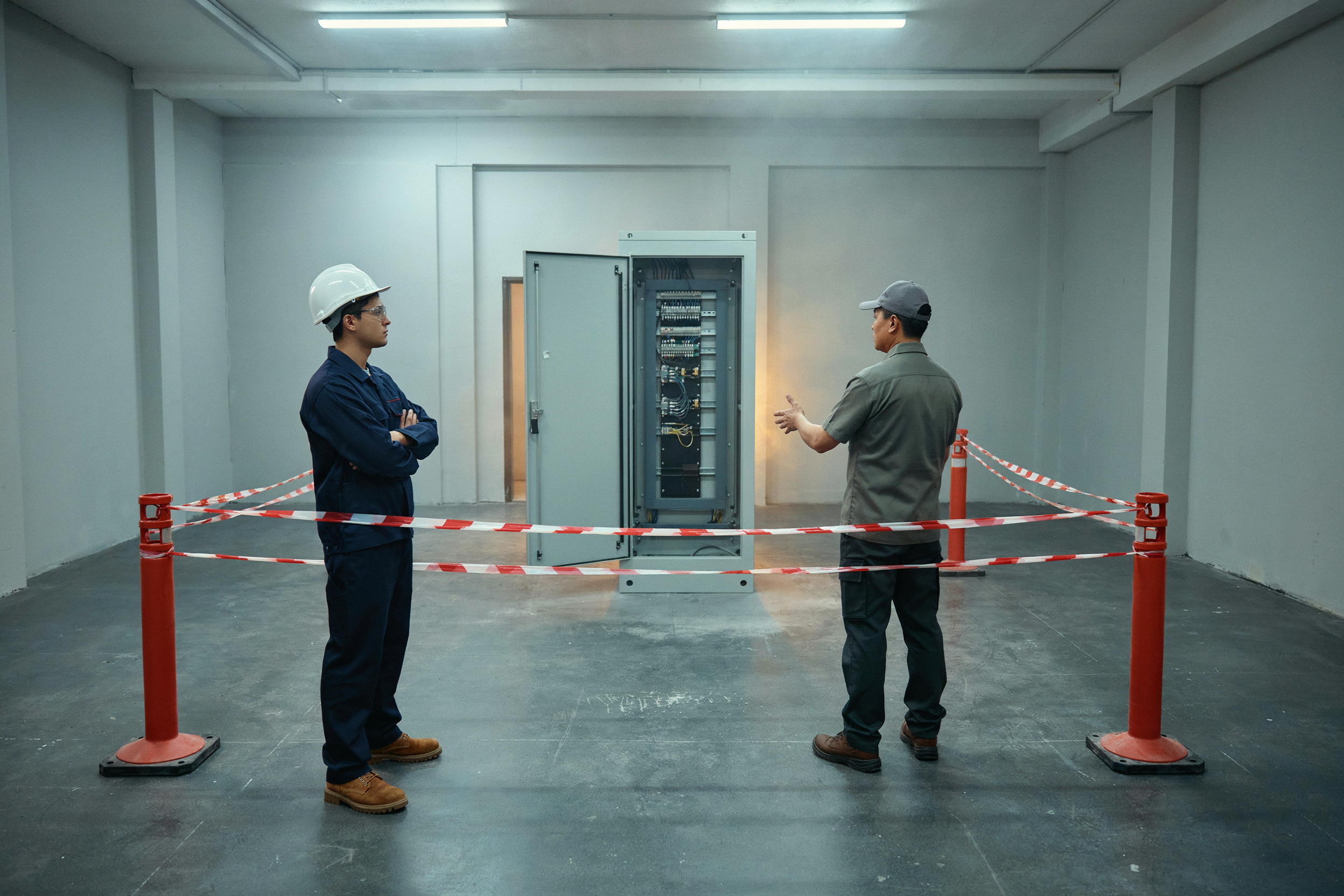
How UEECD0007 Is Assessed at Accelerate First Aid
The Two Skills People Ask About Most
Confirming safe isolation and removing a shock victim are the two hands-on skills that worry people. If you're comparing an electrical WHS course in Brisbane, ask every provider how they assess those two. It tells you a lot about how the course is run.
Competent vs Not Yet Competent
There's no score out of 100 here. You're marked either competent or not yet competent. That's it.
So can you fail? Not in the way you're probably thinking. Not yet competent means you're not there yet, not that you're done. It's more like your sparky telling you to redo a termination than a teacher handing back a red-penned test.
Getting Your Statement of Attainment
Once you're marked competent, your Statement of Attainment is issued under RTO 31106. That's the bit of paper you send straight to your boss.
🟠 Ready to get it done?
Now you know exactly what's assessed. Get UEECD0007 done and your Statement of Attainment in hand before the intake.
Knowing the format takes most of the nerves out. A bit of prep handles the rest.
How to Prepare for the Electrical Industry WHS Unit (Even If You Hate Tests)
Plenty of blokes who hated school fly through this. Most of the prep happens on the job, not at a desk.
Five Things to Do Before You Start
Ask your supervisor to walk you through a real SWMS. A quick chat at smoko beats a pile of reading.
Learn the hierarchy of control order. Elimination down to PPE. Say it in the ute until it sticks.
Know your site's emergency procedure. Where's the assembly point, who do you call.
Ask the senior sparky how they confirm isolation. They'll love being asked, trust me.
Set aside quiet study time. Even a short stint after the kids are down makes a difference.
UEECD0007 vs White Card: Do You Need Both?
The White Card (CPCCWHS1001) is general construction induction. It's the ticket that gets you onto a building site in the first place. This unit is the WHS unit for the electrotechnology industry, built around electrical hazards.
When it comes to UEECD0007 vs white card, they're not interchangeable. Plenty of electrical workers on construction sites hold both.
White Card (CPCCWHS1001) | UEECD0007 | |
What it covers | General safety basics for construction sites | WHS laws, codes and safe practices for electrical work |
Who needs it | Anyone doing construction work | Anyone starting out in electrotechnology work |
Industry | Construction, all trades | Electrotechnology |
Part of apprenticeship qualification | No | Yes, a core unit |
The white card gets you through the gate. This one is what your boss and your apprenticeship RTO want to see before you're near switchboards.
Once you've passed, here's where UEECD0007 fits into the bigger picture.
After You Pass: UEECD0007 and Your Electrical Apprenticeship
Will It Count Toward Your Apprenticeship?
It's a core unit in the electrotechnology qualifications, including the Certificate III in Electrotechnology Electrician, so doing it now isn't wasted effort.
Here's the catch though. Whether it's credited to your apprenticeship is decided by your apprenticeship RTO through credit transfer, not by us. Give them a ring, confirm it, and keep your Statement of Attainment handy. Apprenticeships Info from the Queensland Government is a good place to start.
Getting UEECD0007 for electrical apprenticeship credit sorted early means one less thing to chase once the intake starts.
What You'll Need in Your First Year on the Tools
Once you're on the tools, two more tickets come up fast: Low Voltage Rescue (UETDRRF004) and CPR (HLTAID009). The Electrical Safety Office Queensland sets out what's required, so check there.
If your crew needs a first aider, a first aid course (HLTAID011) is the next step. And with a little one at home, it's not a bad thing to have anyway.
Your Next Steps
Start by going back to that skills list near the top and ticking off what you already know. Be honest with yourself. Most TAs find they're doing half of it on site every week without ever calling it WHS.
Then book it and get it done before your intake date. Don't leave it too late. Give yourself a bit of breathing room, so if something needs another go you're not sweating it with the boss watching the calendar.
Once you've got your Statement of Attainment, send it straight to your boss and your apprenticeship RTO. Your boss gets proof you followed through. Your RTO gets what they need to look at credit transfer. Two emails, done.
After that, line up LVR and CPR for your first year on the tools. They come round quicker than you'd think, and builders check for them at the gate. Sorting them early means you're useful on every job from day one, not stuck in the ute while everyone else goes up.
Look, nobody's pretending a new trade is easy, especially with bills and a family relying on you. But this first step is a lot smaller than it looks from the outside. It's one unit, it's eight things, and you're already closer than you think.
The electrical industry WHS unit isn't a trap built to catch you out. Learn the why behind the rules, ask the senior sparky a few questions, and walk in knowing what's coming. That date your boss gave you is a lot more doable than it felt at the start.