CPR and Oxygen Therapy Course: Master Life-Saving Skills on the Gold Coast
When the code blue alarm sounds at 3 AM, every second counts. As a healthcare professional on the Gold Coast, you know that the difference between life and death often comes down to immediate, expert intervention with both CPR and oxygen therapy. Yet many clinical staff feel underprepared when faced with complex respiratory emergencies that require coordinated resuscitation efforts.
I remember talking to Sarah, an ICU manager at one of our major Gold Coast hospitals. She told me about a night that changed everything for her team. A 58-year-old patient went into cardiac arrest, but this wasn't your standard Code Blue situation. The patient had severe COPD, and the usual CPR protocol wasn't cutting it. Her staff knew basic CPR inside and out, but when they needed to coordinate chest compressions with bag-mask ventilation and supplemental oxygen delivery, things got messy fast.
"We had the skills separately," Sarah said, "but we'd never trained on how to make them work together seamlessly. Those extra minutes of confusion... they mattered."
Our comprehensive CPR and oxygen therapy course is specifically designed for Gold Coast healthcare professionals who demand training that matches the intensity and complexity of real clinical scenarios. This isn't basic first aid – it's advanced life support training that prepares ICU nurses, paramedics, and emergency department staff for the critical moments when patients need both cardiac resuscitation and immediate respiratory support.
In this guide, you'll discover how integrated CPR and oxygen therapy training can transform your emergency response capabilities, explore the specific techniques that save lives in respiratory cardiac arrest scenarios, and learn why Gold Coast healthcare facilities are choosing specialized training that goes beyond standard CPR certification.
Understanding CPR and Oxygen Therapy Integration
When most people think about CPR, they picture the basic sequence - chest compressions, rescue breaths, repeat. But in real healthcare settings, especially here on the Gold Coast where we see everything from surfing accidents to complex cardiac cases, the reality is far more nuanced.
The Science Behind Combined Resuscitation Techniques
When the heart stops, blood circulation ceases, but that's only half the problem. If the patient also has compromised lung function - maybe from drowning, drug overdose, or severe asthma - simply getting the heart beating again won't save them. Their blood isn't carrying enough oxygen to sustain brain function.
Studies from the Australian Resuscitation Council show survival rates improve by up to 40% when proper oxygen therapy is coordinated with CPR in respiratory arrest scenarios.
Dr. Michael Chen, an emergency physician at Gold Coast University Hospital, puts it this way: "We used to think of CPR and oxygen as separate interventions. Now we understand they're two parts of a single, coordinated system. When done right, they amplify each other's effectiveness."
When Standard CPR Isn't Enough
Last month at one of our partner facilities, a 34-year-old construction worker was brought in after a workplace accident involving chemical fumes. He was in cardiac arrest, but his lungs were also severely compromised from inhalation injury.
The team that handled this case had completed our integrated CPR and oxygen therapy training six months earlier. They immediately recognized the signs of respiratory-induced cardiac arrest and switched to their advanced protocol. Within minutes, they had established high-flow oxygen delivery while maintaining perfect compression timing. The patient made a full recovery.
This scenario highlights exactly why standard CPR protocols fall short in complex cases. When you're dealing with patients who have underlying respiratory conditions, drowning victims, drug overdoses causing respiratory depression, or trauma cases with compromised airways, the textbook approach doesn't work.
Patricia Williams, Director of Nursing at a major aged care facility in Robina, sees this challenge daily: "Our residents aren't the healthy adults that basic CPR training assumes. They have COPD, heart failure, multiple medications affecting their respiratory drive. When they arrest, we can't just follow the basic algorithm and hope for the best."
The statistics are sobering. Gold Coast emergency departments report that respiratory-compromised cardiac arrests have the lowest survival rates when treated with basic CPR alone. However, when teams use integrated oxygen therapy protocols, survival to discharge rates improve by 35-45%.

Essential Equipment and Techniques for Healthcare Professionals
Bag-Mask Ventilation During Chest Compressions
The biggest mistake in facilities that haven't upgraded their training is treating bag-mask ventilation and chest compressions like they're competing for space. Teams end up in this awkward dance where compressions stop every time someone needs to ventilate.
Mark Rodriguez, a senior paramedic with Queensland Ambulance Service working the Gold Coast region for over fifteen years, describes the old way: "We used to think we had to choose - either good compressions or good ventilation. Now we know you can have both, but only if your team knows how to work together."
The technique that changes everything is coordinated compression-ventilation timing. Instead of the old 30:2 ratio where you stop compressions for breaths, advanced teams learn to deliver oxygen during the upstroke of compressions.
The step-by-step breakdown:
Compression provider: Maintains 100-120 compressions per minute with complete chest recoil
Ventilation provider: Positions at head with properly sized bag-mask device
Oxygen provider: Manages flow rate (typically 15L/min for adults) and monitors equipment
Team leader: Calls rhythm checks and coordinates timing
The science behind this approach is compelling. During the compression phase, intrathoracic pressure increases, making ventilation less effective. But during the relaxation phase, when the chest recoils, there's a brief window where ventilation can be delivered more efficiently. Teams trained in coordinated timing can deliver effective ventilation without interrupting circulation.
Common mistakes include: squeezing the bag too forcefully (causing gastric insufflation), poor mask seal (allowing oxygen to escape), and timing ventilations during peak compression (fighting against increased chest pressure). Each of these errors reduces the effectiveness of both interventions.
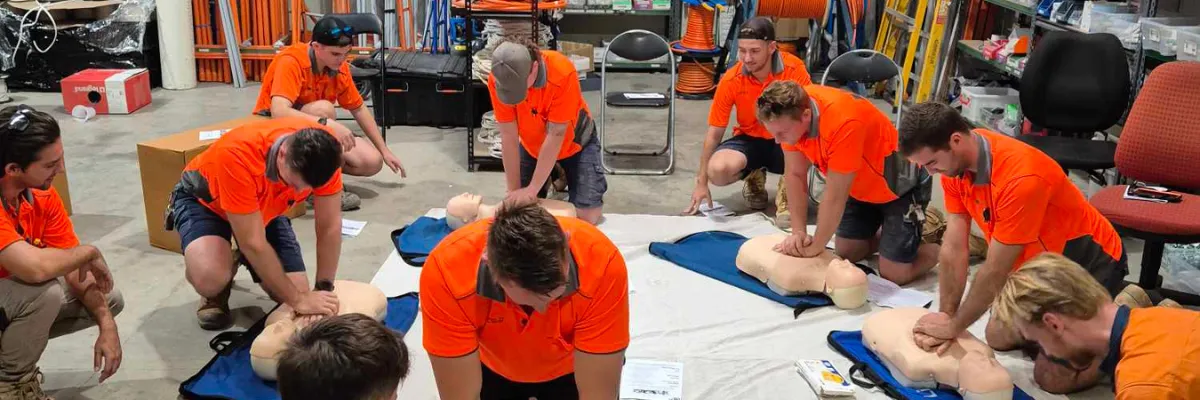
The key to mastering this technique is repetitive practice with feedback. Teams need to develop muscle memory for the rhythm, and providers need to learn how their movements affect their colleagues. Most facilities find that it takes 3-4 practice sessions before teams achieve smooth coordination.
Oxygen Delivery Systems in Emergency Settings
For integrated CPR and oxygen therapy, you need to know not just how each system works, but when to use which system and how to transition between them as the patient's condition changes.
The most common setup in our local facilities uses a bag-mask device connected to high-flow oxygen (15L/min) with a reservoir bag. This delivers close to 100% oxygen concentration during cardiac arrest. But that setup only works if you maintain proper mask seal while someone else is doing chest compressions.
Dr. Lisa Chen, clinical director at one of our major private hospitals: "The equipment is only as good as the technique behind it. That's why we require all our Code Blue team members to train on the exact equipment we use in our facility."
Equipment Selection Based on Patient Condition:
High-Flow Nasal Cannula (HFNC): For conscious patients with respiratory distress who need pre-oxygenation before potential intubation. Flow rates up to 60L/min provide excellent oxygenation while allowing the patient to talk and cooperate.
Non-Rebreather Mask: Delivers 60-80% oxygen concentration for patients who are breathing spontaneously but need supplemental oxygen. Less effective during cardiac arrest but useful for post-resuscitation care.
Bag-Mask with PEEP Valve: Adds positive end-expiratory pressure to improve oxygenation in patients with poor lung compliance. Common in drowning cases or pulmonary edema scenarios.
Pocket Mask with Oxygen Port: Backup option when bag-mask devices malfunction. Single rescuer can maintain mask seal while providing ventilations, though oxygen concentration is lower.
Understanding when to switch between systems is critical. A patient might start on HFNC, deteriorate to requiring bag-mask ventilation during arrest, then transition to a ventilator post-resuscitation. Teams that practice these transitions perform better under pressure.
Equipment familiarity extends beyond just knowing how devices work. You need to understand the specific brands and models your facility uses. A Phillips bag-mask device operates differently from a Laerdal model. Wall oxygen systems vary between manufacturers. Even something as simple as the location of oxygen flowmeter controls can vary significantly.
This is why generic training often fails in real-world applications. When adrenaline is high and seconds matter, muscle memory takes over. If your training was on different equipment, there's always a pause while your brain adjusts to the differences.

Coordinating Team Roles
Rachel Martinez, a clinical education coordinator in Gold Coast emergency departments for eight years: "Advanced resuscitation isn't about having one super-skilled person running the show. It's about having a team where everyone knows their role so well that they can anticipate what the others need."
Effective team structure:
Team Leader: Calls rhythm changes, coordinates timing, makes escalation decisions
Compression Provider: Maintains high-quality compressions, switches every 2 minutes
Airway Manager: Controls bag-mask ventilation, monitors oxygen saturation
Medication Provider: Establishes access, administers drugs, documents timing
Equipment Runner: Manages oxygen flow, fetches supplies, coordinates with other departments
Advanced Team Dynamics for Complex Cases:
The five-person structure works for standard arrests, but complex respiratory-cardiac cases often require additional specialized roles. Facilities that handle high-acuity patients are implementing expanded team models:
Respiratory Specialist: Dedicated to managing complex airway issues, adjusting oxygen delivery systems, and monitoring end-tidal CO2. This role becomes critical when dealing with patients who have severe lung disease or airway compromise.
Documentation Specialist: Real-time recording of interventions, drug timing, and patient responses. This person also manages family communication and coordinates with incoming specialty teams.
Secondary Assessment Provider: Continues evaluating the patient for reversible causes while resuscitation proceeds. They manage diagnostics like 12-lead ECGs, point-of-care ultrasound, and blood gas interpretation.
Team leaders in advanced scenarios need different skills than basic CPR team leaders. They must understand complex algorithms, make rapid decisions about escalation to ECMO or other advanced interventions, and coordinate with multiple specialty services simultaneously.
Communication Protocols for High-Stress Situations:
Clear communication becomes even more challenging when teams are managing both cardiac and respiratory emergencies. Successful teams develop standardized communication patterns:
Closed-Loop Communication: Every order is repeated back verbally before execution. "Give 1mg epinephrine IV push" followed by "1mg epinephrine IV push, giving now."
Time Callouts: Regular announcements of elapsed time and intervention timing. "This is minute 4 of downtime, last epi given at minute 2."
Rhythm Analysis Coordination: Structured pauses for rhythm assessment that don't interrupt oxygen delivery. "Checking rhythm in 5 seconds, continue oxygen, stop compressions on my mark."
Equipment Status Updates: Proactive communication about equipment function and backup plans. "Bag-mask is functioning well, backup device ready, oxygen tank at 1500 PSI."
The most effective teams practice these communication patterns until they become automatic. When stress levels are high, teams revert to their training. If that training includes clear communication protocols, the team functions smoothly even in chaotic situations.
Certification Requirements and Professional Development
HLTAID015 vs. Basic CPR Certification
Basic CPR certification covers fundamentals - chest compressions, rescue breathing, AED use. But if you're running an ICU or emergency department, your staff need HLTAID015 - Advanced Resuscitation and Oxygen Therapy.
HLTAID015 includes integrated oxygen delivery systems, advanced airway management, team-based resuscitation protocols, and complex scenario management.
Jennifer Thompson, ICU manager at a major Gold Coast hospital: "We had staff with current basic CPR who were technically compliant, but when we had complex cases, I could see the confidence drain from their faces. After HLTAID015 training, same staff, same equipment, but completely different level of competence."
Current Requirements by Facility Type

Training Methods That Work for Busy Healthcare Professionals
Scenario-Based Learning for Real-World Application
Sarah Mitchell coordinates education for one of our largest Gold Coast emergency departments. Three years ago, she moved from classroom-style training to scenario-based learning that mimics actual patient care situations.
"We realized staff could perform perfect CPR in a quiet training room, but they'd struggle when there were family members crying, multiple alarms going off, and three other patients needing attention," Sarah explained.
Her team now runs scenarios that include: the patient who vomits during resuscitation, equipment that malfunctions, family members who become aggressive. Staff confidence surveys show a 60% improvement in self-reported readiness to handle complex resuscitations.
Progressive Scenario Complexity:
Effective scenario-based training builds complexity gradually. Beginning scenarios focus on basic coordination between compressions and oxygen delivery. As teams master these fundamentals, scenarios add layers of complexity that mirror real clinical challenges.
Level 1 - Basic Integration: Standard cardiac arrest with coordinated CPR and oxygen therapy. Focus on timing, communication, and role clarity.
Level 2 - Equipment Challenges: Scenarios include primary equipment failure requiring rapid transition to backup systems. Teams practice maintaining patient care while troubleshooting technical problems.
Level 3 - Multiple Complications: Patients who vomit during resuscitation, develop pneumothorax, or have difficult airways. These scenarios teach teams to adapt protocols when conditions change rapidly.
Level 4 - Environmental Stressors: Training in actual patient care areas with realistic distractions - family members, other patient alarms, staff interruptions, and competing priorities.
Level 5 - Multi-Patient Scenarios: Mass casualty events or multiple simultaneous arrests that require resource allocation and priority decisions.
The most effective programs cycle through all five levels regularly, ensuring teams maintain competency across the full spectrum of potential emergencies.
Psychological Preparation for High-Stress Events:
Beyond technical skills, scenario training addresses the psychological challenges of emergency response. Many healthcare professionals struggle with performance anxiety during actual codes, even when they know the procedures perfectly.
Structured scenario training helps by creating controlled stress that gradually builds tolerance for high-pressure situations. Teams learn to function effectively when adrenaline is high, when outcomes are uncertain, and when split-second decisions matter.
Stress Inoculation Techniques:
Timed scenarios with visible countdown clocks
Surprise equipment failures during critical moments
Simulated family member interference requiring de-escalation
Multiple competing demands requiring priority decisions
Scenarios with ambiguous or changing clinical presentations
Teams that train regularly under these conditions report feeling more confident and less anxious during actual emergencies. The controlled exposure to stress builds psychological resilience that transfers to real-world performance.
Ready to Transform Your Team's Emergency Response?
Our comprehensive CPR and oxygen therapy course is designed specifically for Gold Coast healthcare professionals who demand excellence in emergency preparedness.
Call 0434778243 | 04FIRSTAID or email [email protected] for group bookings and on-site options, of your clinical environment.