Basic Asthma Emergency Course: Essential Life-Saving Skills for Gold Coast Childcare Professionals
At 2:30 PM on a Tuesday, 4-year-old Emma suddenly couldn't catch her breath during outdoor play at a Gold Coast childcare center. Her wheezing got worse, her lips started turning blue, and you could see the panic in her eyes. The educator on duty had done her basic training months ago but just froze - was this something minor or was Emma's life in danger?
This exact situation happens in childcare centers all over the Gold Coast every single week. As a childcare professional, you're carrying this massive responsibility of spotting and handling asthma emergencies that can go from "manageable" to "call 000 right now" in just minutes. The difference between knowing exactly what to do and that horrible moment of hesitation? It usually comes down to one thing: getting proper training through a basic asthma emergency course.
Whether you're just ticking boxes for ACECQA or you genuinely want to keep these kids safe - and let's be honest, it should be both - understanding how to handle asthma emergencies isn't something you can wing. This guide's going to walk you through everything about basic asthma emergency courses here on the Gold Coast. We're talking course requirements, the actual skills that could save a child's life, and what you really need to know to feel confident when that moment comes.
Because here's the thing - when Emma's standing there struggling to breathe, she's not going to wait for you to Google what to do. She needs you ready, right now.

Understanding Basic Asthma Emergency Courses: What You Need to Know
What is asthma and why emergency training matters
Let's get real about what we're dealing with here. One in nine Australian kids has asthma - that's not some rare condition we're talking about. In your average childcare center with 60 kids, you're looking at about 6 or 7 children who could have an asthma attack on any given day.
Here's what makes asthma so scary. A child can go from playing happily to fighting for their life in about 10 to 15 minutes. I've seen educators tell me about kids who seemed fine during morning tea, then by afternoon they're blue around the lips and can't get a word out between gasps.
Asthma attacks don't follow a nice, predictable pattern. Sometimes a kid might have a mild wheeze that settles down with their puffer. Other times, that same child could have what we call a "silent chest" - where their airways are so blocked that you can't even hear wheezing anymore. That's when you know you're in serious trouble.
In that window between "Emma's coughing a bit" and "Emma needs an ambulance," your response can literally mean the difference between a child going home to their parents that night or ending up in intensive care. The stats don't lie - proper emergency response training reduces severe asthma incidents in childcare settings by up to 40%.
When parents drop their kids off, they're trusting you with the most important thing in their world. If something happens and you haven't been properly trained, you're not just dealing with a medical emergency - you're potentially looking at legal consequences, insurance issues, and honestly, the kind of guilt that stays with you forever.
Course 22300VIC vs 22556VIC: Which do you need?
This is where people get confused. The course codes sound like government bureaucracy at its finest, but understanding the difference could save you time, money, and hassle.
Course 22300VIC - that's your "Provide an Emergency First Aid Response in an Education and Care Setting." This is the basic level that most childcare educators need. It takes about 6 to 8 hours, covers asthma emergency response along with other first aid basics, and meets your standard ACECQA requirements.
Course 22556VIC is the "Manage Asthma and Anaphylaxis in an Education and Care Setting" - that's the advanced one. This adds another 5.5 hours and goes much deeper into complex medical scenarios. You're looking at things like managing multiple medical conditions, dealing with non-responsive medication, and handling really severe cases.
If you're a center director, nominated supervisor, or you've got multiple children with severe asthma in your care, the 22556VIC gives you that extra layer of knowledge and confidence. The basic course will get you compliant and give you solid emergency response skills. But if you want to position yourself as someone who can handle the really tough situations, that advanced training is worth every penny.
Essential Skills Covered in Basic Asthma Emergency Training
Recognizing early warning signs vs emergency symptoms
This is probably the skill that saves the most lives because catching it early means you can prevent it from becoming life-threatening.
Some kids, especially the little ones, can't tell you how they're feeling. So you're watching for changes in behavior - they might become clingy, irritable, or really quiet. Trust your instincts - if something seems off, it probably is.
Proper reliever medication administration
You've recognized that a child's having breathing problems. Now what? This is where your training in medication administration becomes absolutely critical.
Most kids will have a blue inhaler - that's usually Ventolin (salbutamol) or Airomir. The key thing is these are rescue medications - they're designed to work quickly when someone's having breathing problems.
Here's where a lot of people mess up - the technique. Just pressing the inhaler and telling the child to breathe in isn't going to work properly. You need to use a spacer device - that plastic chamber that attaches to the inhaler. Without a spacer, most of the medication just hits the back of the child's throat instead of getting down into their lungs.
Step-by-step process: Shake the inhaler about 5 times. Attach it to the spacer. Get the child to breathe out normally, then put the spacer mouthpiece in their mouth and get them to seal their lips around it. Press the inhaler once - just once - then get them to take slow, deep breaths through the spacer for about 6 breaths. Wait about a minute, then repeat if needed.
The dosage guidelines are usually 4 to 6 puffs initially, wait about 20 minutes, then another 4 to 6 puffs if they're not improving. But here's the critical bit - if they're not getting better after the second round of medication, or if they're getting worse at any point, that's when you call 000.
When and how to call emergency services
This makes everyone nervous, but it's actually pretty straightforward once you know the criteria. Here's the rule: when in doubt, call. It's better to have paramedics arrive and find a child who's improving than to wait too long.
Clear criteria for calling 000: If the child can't speak in full sentences, if their lips or fingernails are blue, if they're using extra muscles to breathe, or if their reliever medication isn't working after two rounds.
When you call 000, have this information ready: the child's age, what's happening right now, what medication you've given and when, whether this is their first asthma attack or if they've had severe ones before.
Here's what the call might sound like: "I need an ambulance at [address]. I have a 4-year-old having a severe asthma attack. She can only say one word at a time, her lips are turning blue, and I've given her 6 puffs of Ventolin twice but she's not improving."
While you're waiting for help, keep the child sitting upright - don't let them lie down even if they want to. Keep giving medication every 20 minutes.

Gold Coast Specific Asthma Considerations
Subtropical climate triggers
Living on the Gold Coast means dealing with weather that can be absolutely brutal for kids with asthma. Our humidity levels regularly sit between 70% and 90%, especially during summer, and that thick, heavy air can make breathing feel like you're trying to suck air through a wet towel.
When the air's that humid, it holds more allergens like dust mites, mold spores, and pollen. Plus, humid air is harder for asthmatic lungs to process. I've seen kids who are absolutely fine in air-conditioned spaces suddenly start wheezing the moment they step outside into that wall of humid heat.
We've got something flowering pretty much all the time. Bottlebrush trees, wattle, grass pollens - they're constantly in the air. Spring's obviously the worst, but even our "quiet" months still have enough airborne irritants to cause problems.
What this means for your childcare center is you need to be way more vigilant about indoor air quality. Those split systems need regular cleaning and filter changes. When the humidity spikes, you might notice kids who normally have mild asthma suddenly needing their medication more often.
Beach and outdoor activity management
The good news about living near the ocean is that sea air can actually help some asthmatic kids - the salt air acts as a natural bronchodilator. But don't let that fool you into thinking the beach is automatically safe for all kids with asthma.
When sand's dry and windy, fine sand particles get kicked up into the air and can irritate sensitive airways. Wet sand's much better, so try to keep beach activities near the water line where the sand's packed down.
Kids breathing hard in direct sunlight, especially when they're getting overheated, can trigger exercise-induced asthma. Make sure you've got plenty of shade available and regular drink breaks.
The tricky part about beach locations is access for emergency services. If you're at a patrolled beach, the surf lifesavers can help. But if you're at one of our more remote beach spots, getting an ambulance to you could take 15-20 minutes instead of the usual 8-10.
Seasonal factors affecting asthma
Spring - September through November - that's our worst time. Everything's flowering at once, the grass is growing like crazy after winter rain, and the winds are picking up all that pollen. September's particularly brutal because that's when most of our native trees start releasing pollen.
Summer brings heat, humidity, and sudden weather changes. Those afternoon thunderstorms we get can trigger "thunderstorm asthma" - it's rare, but it happens when the storm front breaks pollen grains into tiny particles that get deep into the lungs.
Winter's interesting here because we don't really get proper cold weather, but we do get more indoor time with heating systems and higher concentrations of indoor allergens. Dust mites love our mild winters.
Course Requirements and Certification Process
Duration and format options
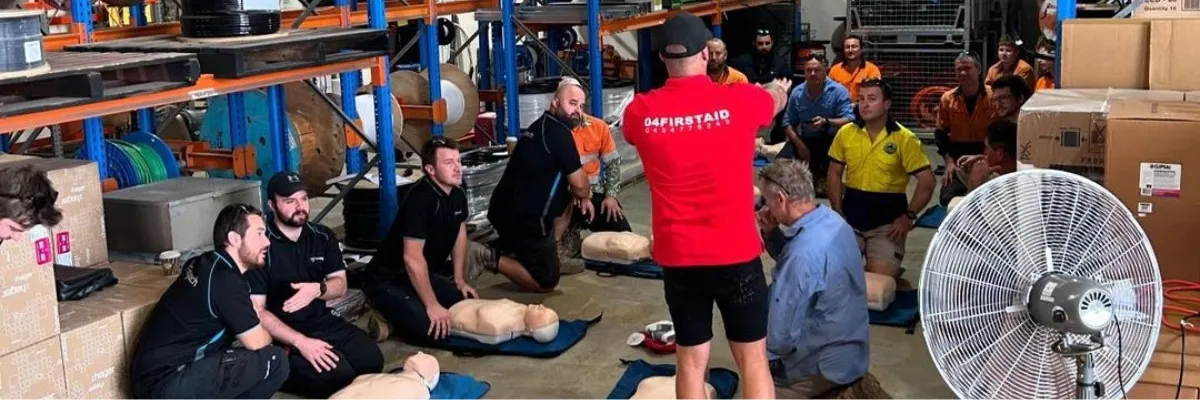
The basic asthma emergency course - that's 22300VIC - typically runs about 6 hours. Face-to-face training is what I recommend if you can swing it. There's something about actually holding a real spacer device, practicing on a training mannequin, and getting immediate feedback from an instructor that you just can't get from watching videos online.
Good instructors will throw you curveball situations - what do you do when the spacer's broken? What if the child won't cooperate? These are real-world problems you need to think through before you're facing them with a child who can't breathe.
Most good training providers now offer blended learning - you do the knowledge-based stuff online at your own pace, then come in for a shorter hands-on session. If your whole center needs training, group sessions are definitely the way to go. Most providers offer decent discounts for groups of 8 or more.
Assessment and certification requirements
The assessment isn't designed to trick you - it's designed to make sure you actually know what you're doing. For the written component, you're looking at questions about recognizing symptoms, understanding when to call emergency services, proper medication administration, and basic legal responsibilities.
The practical assessment is where it gets real. You'll need to demonstrate proper inhaler and spacer technique, show that you can recognize different levels of asthma severity, and walk through an emergency response scenario from start to finish.
Most people pass on their first attempt if they've actually engaged with the training. Certification typically comes through within about a week of completing the course.
Renewal and ongoing professional development
Your asthma emergency training isn't a "do it once and forget about it" kind of thing. ACECQA requires renewal every three years, and they're pretty strict about that timeline.
But honestly, three years is a long time in emergency response terms. If you haven't used these skills regularly, you're going to forget important details. Smart centers do annual refresher sessions even though they're not required.

Choosing the Right Training Provider
Accreditation and trainer qualifications
When you're shopping around for asthma emergency training, not all providers are created equal. First thing to check - is the provider a Registered Training Organization (RTO)? Only RTOs can deliver nationally recognized courses like 22300VIC.
The best asthma emergency trainers usually have medical backgrounds - paramedics, nurses, or respiratory therapists who've dealt with real emergencies. They bring that practical, "this is what it's actually like" perspective that you just can't get from someone who's only ever taught the theory.
Taking Action: Your Next Steps
If you've read this far, you're obviously taking the safety of the children in your care seriously, and that's exactly the attitude we need more of in the childcare industry.
The reality is that asthma emergencies are going to happen in childcare settings. It's not a matter of if, it's a matter of when. The question is whether you're going to be ready when that moment comes, or whether you're going to be like that educator I mentioned at the beginning - standing there frozen while a child struggles to breathe.
A basic asthma emergency course isn't just about compliance, though that's important too. It's about having the knowledge, skills, and confidence to potentially save a child's life. It's about being the person parents trust with their most precious possessions.
The skills you learn in a quality basic asthma emergency course will serve you for your entire career in childcare. They might even save a life. And really, what's more important than that?
Ready to get started? Look for accredited training providers offering Course 22300VIC in your area. Check their credentials and graduate feedback. Email us at [email protected] to book your place.