Asthma Anaphylaxis Course for Teachers: Essential Training to Keep Students Safe
When 8-year-old Emma's lips began swelling during lunch break at her Brisbane primary school, her teacher's quick recognition of anaphylaxis symptoms and immediate action with an EpiPen saved her life. This teacher had completed specialized asthma and anaphylaxis training just months earlier.
As a Brisbane teacher, you hold the safety of your students in your hands every day. When a child experiences a severe asthma attack or anaphylaxis, you may be their first and most critical line of defense. Are you prepared?
The statistics are sobering - every 10 minutes, someone in Australia has a potentially life-threatening asthma attack, and severe allergic reactions send one person to hospital every 4 hours. In Brisbane classrooms, where teachers are responsible for dozens of students daily, these statistics become a sobering reality.
Here's what makes this pressing for Queensland teachers: you have a legal duty of care that goes beyond just calling for help. You need to know exactly what to do, how to do it, and when to act. That's where proper asthma anaphylaxis course for teachers comes in.
This guide will show you exactly how to get the specialized training you need to confidently handle asthma and anaphylaxis emergencies in your classroom. You'll discover which courses you actually need, what you'll learn that makes a real difference, and how to choose a quality training provider.
Why Brisbane Teachers Need Asthma Anaphylaxis Training
One in nine Australian children now has asthma, and food allergies have doubled in the past decade. If you're teaching in Brisbane, you're looking at roughly 3-4 kids with asthma in every class of 30, and at least one child who could have a severe allergic reaction.
Queensland Education Department Requirements
The Queensland Department of Education requires schools to have staff trained in managing medical conditions, including asthma and anaphylaxis. While they don't mandate every teacher gets certified, schools are increasingly making this training mandatory for all teaching staff.
The department specifically recognizes two courses:
22300VIC - Provide care for children with asthma in education and care settings
22556VIC - Provide care for children at risk of anaphylaxis in education and care settings
These aren't just random course codes - they're your legal protection and your students' lifeline.
Rising Allergy Rates in Australian Schools
Food allergies in Australian children have increased by 300% in the past 20 years. Brisbane schools are seeing more EpiPens than ever before, and teachers are finding themselves on the front lines of medical emergencies.
What's concerning is that about 25% of severe allergic reactions at school happen to children who've never had a reaction before. You might be dealing with a child's first anaphylaxis episode with no previous history to guide you.
Legal Duty of Care for Teachers
When a student has a medical emergency in your classroom, you have a legal responsibility to act. This means knowing how to recognize emergency symptoms, administering emergency medications correctly, following proper procedures, and documenting everything.
Teachers who fail to act appropriately during medical emergencies can face serious legal consequences. However, teachers who are properly trained and act within their scope of practice are protected.

Understanding 22300VIC and 22556VIC Courses
These course codes represent different medical emergencies you might face in your classroom. One focuses on helping kids breathe better, the other on stopping life-threatening allergic reactions.
Course 22300VIC: Asthma Management
This course teaches you how to help a child who can't breathe properly. The official name is "Provide care for children with asthma in education and care settings."
What you'll learn:
Spotting when a child's asthma is getting worse
Proper way to help a child use their puffer or spacer
When to call parents versus when to call an ambulance
Managing asthma during sports and activities
Creating asthma-friendly classroom environments
The course takes 3-4 hours to complete with hands-on practice using different inhalers and spacers. Your certificate is valid for 3 years.
Course 22556VIC: Anaphylaxis Management
This covers severe allergic reactions that can kill a child in minutes if not handled properly. The official name is "Provide care for children at risk of anaphylaxis in education and care settings."
What you'll master:
Recognizing anaphylaxis symptoms
Proper EpiPen technique
Managing the child while waiting for paramedics
Dealing with parents and emergency services
Understanding different auto-injector brands
This course also takes 3-4 hours and includes practicing with trainer EpiPens. Your certificate lasts for 3 years.
Course Comparison Table
Which Course Do You Need?
Most Brisbane teachers end up needing both, but here's the breakdown:
You need 22300VIC (Asthma) if:
You have students with asthma
Your school requires asthma management training
You teach physical education or supervise outdoor activities
You need 22556VIC (Anaphylaxis) if:
You have students with severe allergies
Your school handles food activities
You supervise excursions or teach early childhood
You probably need both if:
You're a primary school teacher
You work in early childhood education
Your school requires comprehensive training

What You'll Learn in Asthma Anaphylaxis Training
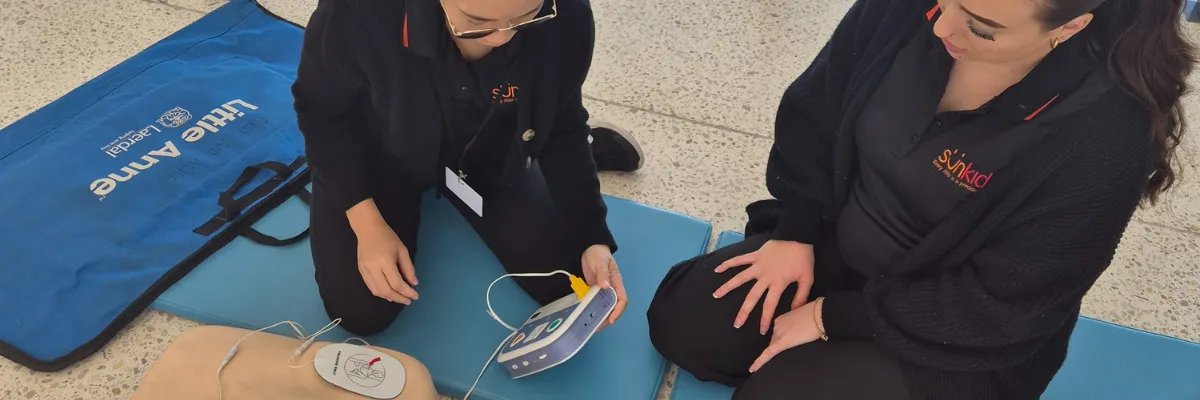
This isn't about sitting through boring slides - good training providers make this hands-on, practical, and directly relevant to your Brisbane classroom.
Recognizing Symptoms and Triggers
Both asthma attacks and anaphylaxis can escalate quickly. Your training teaches you to spot early warning signs others might miss.
Symptom Recognition Guide
Emergency Response Procedures
You'll practice step-by-step procedures until they become second nature.
For asthma emergencies:
Stay calm and reassure the child
Help them into a comfortable position
Locate and assist with their reliever medication
Monitor their breathing and response
Know when to call for help
For anaphylaxis, time is critical:
Recognize the symptoms
Call for emergency help immediately
Locate and use the EpiPen correctly
Position the child appropriately
Continue monitoring until help arrives
Medication Administration
EpiPen administration isn't complicated, but needs to be done correctly:
Remove the blue safety cap
Hold firmly against the outer thigh
Push down hard until you hear the click
Hold for 10 seconds
For inhalers and spacers, proper technique matters. A child who uses their puffer incorrectly might only get 10% of the medication into their lungs.
Documentation and Follow-up
Your training covers paperwork and follow-up procedures that protect both you and the child. You'll learn to document what symptoms you observed, what actions you took, how the child responded, and who you contacted.
After using an EpiPen, a child must go to hospital even if they seem better. The effects can wear off, and they might need additional treatment.
Online vs Face-to-Face Training
Queensland requirements mean you'll need face-to-face practical training for hands-on skills.
Training Format Breakdown
Choosing the Right Training Provider in Brisbane
Not all training providers are equal. When you're dealing with life-or-death skills, you want quality training that prepares you for real emergencies.
RTO Accreditation Requirements
Your training provider must be a Registered Training Organization (RTO). This isn't negotiable. If they're not an RTO, their certificates won't be valid.
Check RTO status on the Australian Skills Quality Authority (ASQA) website. Legitimate providers display their RTO number prominently. If you have to hunt for it or they seem evasive about accreditation, that's a red flag.
Look for providers specializing in education sector training. They should answer questions like:
How do you handle a child who's afraid of needles during anaphylaxis?
What's the best way to use an EpiPen on a squirming 5-year-old?
How do you manage other students during a medical emergency?
Experience with Education Sector
Training teachers requires different skills than training office workers. You need instructors who understand classroom dynamics, child behavior, and teacher pressures.
Good education-focused providers will:
Use scenarios based on real school situations
Understand different age groups and emergency responses
Know specific legal requirements for teachers
Have experience training large groups of education staff
Provide follow-up support relevant to schools
Ask about their experience with Brisbane schools. How many teachers have they trained? Can they provide references from local schools?

Local Knowledge and Support
Brisbane has specific environmental factors affecting asthma and allergies - humidity, seasonal pollen patterns, and common food allergies in the area.
A good local provider understands:
Brisbane's allergy seasons and common triggers
Local emergency services and hospital locations
Queensland-specific regulations
Cultural factors affecting Brisbane's diverse student population
They should offer ongoing support after training. What happens when you have questions six months later? The best providers see training as the beginning of a relationship, not a one-time transaction.
Provider Evaluation Checklist
Getting proper asthma anaphylaxis course for teachers training isn't just about ticking compliance boxes - it's about being ready to save a life when it matters most. With the right training from a quality Brisbane provider, you'll have the confidence and skills to handle whatever medical emergencies come your way in the classroom.
Start by identifying which courses you need, then research providers who specialize in education sector training. Look for RTO accreditation, local experience, and ongoing support. Remember, this training could make the difference between a scary moment and a tragic outcome for one of your students.d can speak knowledgeably about common challenges Brisbane teachers face.
Remember, the cheapest option isn't always the best value. You want training that actually prepares you for real emergencies, gives you confidence to act, and provides certification that'll stand up to scrutiny. When a child's life is in your hands, that peace of mind is worth paying for.
Your students, their parents, and your own professional security depend on getting this training right. Choose a provider who takes that responsibility as seriously as you do.