Asthma and Anaphylaxis Course Requirements for 2026 | QLD
It's the week before term starts. You've got new casuals on the roster, a fresh enrolment with an action plan, and a training register that still says 22300VIC and 22556VIC next to half the team's names. If that sounds familiar, you're not alone. Those codes have now been replaced, and the asthma and anaphylaxis course requirements for 2026 point to different numbers. That changes what counts when a new casual starts or an assessor asks to see current certificates.
This guide explains it all in plain English, so you can check your team's records against the current rules without trawling through the approved qualifications list yourself. Think of it like updating the numbers in your phone contacts. Same people, same job. Just new numbers.
Queensland education and care services still need at least one educator with approved anaphylaxis management training and one with approved emergency asthma management training in attendance and immediately available at all times. That part hasn't moved. What's changed is the course codes. Today that means 22578VIC for anaphylaxis and 22702VIC for asthma, alongside HLTAID012 for first aid.
What Are the Asthma and Anaphylaxis Course Requirements for Childcare in Queensland?
Queensland education and care services must have at least one educator with ACECQA-approved first aid training, one with approved anaphylaxis management training and one with approved emergency asthma management training in attendance and immediately available at all times. One educator can hold all three. Approved courses in 2026 include:
HLTAID012 Provide First Aid in an Education and Care Setting, which ACECQA lists as meeting first aid, asthma and anaphylaxis requirements
22578VIC Course in First Aid Management of Anaphylaxis
22702VIC Course in the Management of Asthma Risks and Emergencies, which replaced 22556VIC
Certificates must be current when educators are rostered on. ACECQA's NQF approved qualifications list is the definitive source, so check it before booking.
Those course codes are where most of the confusion starts, so let's start there.
Current Asthma and Anaphylaxis Course Codes for 2026
The current codes are 22578VIC for anaphylaxis and 22702VIC for asthma. They replaced 22300VIC and 22556VIC. It's the same type of training you've always booked, just under new course numbers. Accredited courses get reaccredited on a cycle, and when that happens the code changes too. Nothing dramatic about it. But if you don't know it's happened, your register can look out of date overnight.
Old Codes vs Current Codes
Old code | Current code |
22300VIC | 22578VIC Course in First Aid Management of Anaphylaxis (units VU23090, VU23091) |
22556VIC | 22702VIC Course in the Management of Asthma Risks and Emergencies |
Do Older Certificates Still Count?
Yes, as long as they're still current. ACECQA lists 22556VIC as approved when it was awarded before December 2025. So an educator with a pre-December 2025 asthma certificate still holds an approved qualification. It just has to be on the date when they're rostered on. Older 22300VIC certificates also count up to the approved-until date shown on ACECQA's list.
So here's the practical bit. You don't need to pull the whole team off the floor and retrain everyone now. Just book the current code as each person comes up for renewal. Over a cycle or two, your register sorts itself out, and nobody's missing a shift for training they didn't need yet.
How to Check a Code Yourself
Honestly, it's worth doing this once so you're not relying on anyone's word for it, including ours.
Once you know the current codes, the next question is whether your team needs them at all if they already hold HLTAID012.
HLTAID012 vs a Standalone Asthma and Anaphylaxis Course: Which Does Your Team Need?
If an educator holds a current HLTAID012, they already meet the asthma and anaphylaxis requirements. A standalone 22578VIC and 22702VIC course is for everyone else, plus anyone who needs a hands-on refresher between renewals. We'd rather tell you that straight up than sell you a course your team doesn't need.
When HLTAID012 Already Covers It
ACECQA lists HLTAID012 Provide First Aid in an Education and Care Setting as meeting first aid, asthma and anaphylaxis requirements. So an educator with a current HLTAID012 ticks all three boxes under Regulation 136. If that's most of your team, you're in good shape.
When the Standalone Course Is the Better Fit
There's still plenty of situations where the standalone asthma and anaphylaxis course makes more sense:
New casuals who need to count as an asthma and anaphylaxis educator quickly
Brushing up hands-on skills between HLTAID012 renewals, especially after a new enrolment arrives with an action plan
Staff outside the educator ratio, like cooks, admin, bus drivers and tuckshop volunteers
Schools, sports clubs and swim schools where HLTAID012 isn't required
That second one gets overlooked a lot. A certificate can be perfectly current and someone can still feel shaky holding a trainer autoinjector after a long gap. A short refresher fixes that.
Side-by-Side Comparison
HLTAID012 | 22578VIC + 22702VIC | |
CPR and general first aid | Included | Not included |
Asthma and anaphylaxis depth | Covered as part of a broader first aid course | The whole course is focused on asthma and anaphylaxis |
Meets Regulation 136 | First aid, asthma and anaphylaxis | Asthma and anaphylaxis |
Best for | Educators who need the full first aid requirement | New casuals, refreshers, non-educator staff, schools and clubs |
Whichever course you choose, it only counts while it's current.

How Long Does an Asthma and Anaphylaxis Certificate Last?
How long an asthma and anaphylaxis certificate lasts comes down to the course, and HLTAID009 CPR needs renewing every year. Here's the catch though. Different providers publish different renewal periods. One lists three years for asthma and two for anaphylaxis. Others say 36 months for both. No wonder registers get messy.
So keep it simple. Go by the renewal period printed on each certificate, and check it against what ACECQA recommends.
Course | When to renew |
HLTAID012 | By the date on the certificate |
22578VIC | By the date on the certificate |
22702VIC | By the date on the certificate |
HLTAID009 CPR | Annually |
Keeping Track Across a Casual Workforce
If you're running a team that's mostly casual, you already know the problem. Everyone started at a different time, so everyone's certificate runs out at a different time. And it all lives in a spreadsheet that's only as good as the last time someone updated it.
A few habits make it a lot easier:
Log the issue date the day the certificate lands, not later
Set a 60-day reminder before each expiry
Book renewals in term-based batches so you're grouping people up instead of chasing one at a time
If it's been a while since your team's last session, here's what the course covers now.
What You'll Learn in an Asthma and Anaphylaxis Course
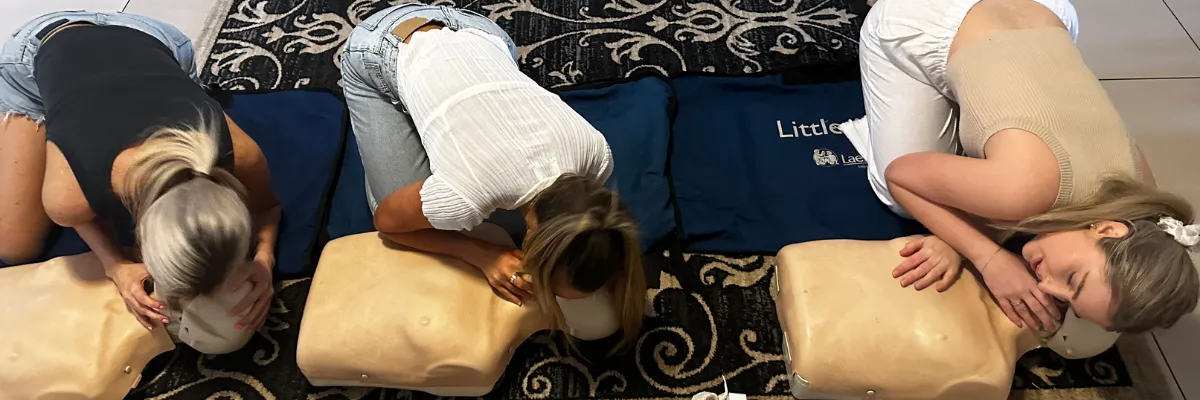
An asthma and anaphylaxis course teaches your team to recognize a reaction or an attack, give the right first aid with real trainer devices, and know exactly when to call triple zero. It's practical from start to finish. Less sitting and listening, more hands on the gear.
Anaphylaxis (22578VIC)
The 22578VIC half of the course is built around the moment nobody wants to freeze in. Your educators learn:
Recognizing the signs in children and following ASCIA Action Plans
How to use an adrenaline autoinjector, including positioning the child (lie them flat, don't let them stand or walk) and when a second dose may be needed
Practicing on trainer devices for the brands families actually bring in, so nobody's surprised by an unfamiliar device on the day
Risk minimization around afternoon tea, cooking activities and excursions
That trainer device practice matters more than people expect. Reading about an autoinjector and pressing one against your own thigh are two very different things. Once someone's done it a few times in a calm room, the hesitation mostly goes. Everything here follows the current ASCIA first aid plan for anaphylaxis.
Asthma (22702VIC)
The 22702VIC half covers what your educators will probably use most often: the asthma first aid steps, using a puffer with a spacer, recognizing a severe attack and knowing when to call triple zero. Training follows the current National Asthma Council Australia asthma first aid chart.
There's a local angle too. Storm season brings thunderstorm asthma, and a hot, stormy afternoon can mean several kids reaching for their relievers at once. Knowing the common asthma triggers helps your team see it coming.
How You're Assessed
Every learner has to show they can do it, in person. A practical demonstration is required, so an accredited asthma and anaphylaxis course can't be completed fully online.
That's where blended learning comes in. Your team does the theory online, then attends a short practical to show their skills. The reading happens whenever suits them, and the face-to-face time is spent on the bit that actually needs a trainer in the room.
Knowing what's covered is one thing. Getting a whole team with different rosters into the same room is another.

Asthma and Anaphylaxis Training Options for Brisbane Services
There's two ways to book an asthma and anaphylaxis course in Brisbane with us: a public blended session for individuals, or onsite group training at your service.
Public Blended Sessions for Individuals and New Casuals
This is the easy option when you've got a new starter who needs to be counted as trained quickly.
Online theory that works on a phone, so there's no printer and no laptop needed
A short practical to show their skills
Same-day certificates
Your casual can knock the theory over between uni classes, turn up for the practical, and walk out ready for their next shift.
Onsite Group Training at Your Service
When it's a whole team, it's usually easier for the trainer to come to you. For OSHC asthma and anaphylaxis training, that tends to look like:
Weekdays in your OSHC hall, while the service is empty
Pupil-free days, when the whole team's already rostered on
Invoicing straight to your provider, so there's no out-of-pocket paperwork for you
The busiest booking windows are late January before term one, the April and June/July holidays, and pupil-free days through the year. If you've got one of those coming up, it's worth getting in early.
Onsite training also takes the pressure off getting casuals to turn up. They're training at the place they already work, during paid hours, alongside the people they work with. It's a lot easier to say yes to.
Requirements Beyond Childcare: Schools, Sport and Community Groups
Asthma and anaphylaxis training isn't just a childcare thing. Anywhere kids gather, eat or run around, the same reactions and attacks can happen, and someone nearby needs to know what to do.
🏫 Queensland state schools State schools follow Department of Education procedures for managing anaphylaxis. Teacher aides, tuckshop convenors, sports coordinators and camp staff are often the ones nearest when something happens. If you're not sure what your school's procedure asks of staff, check with your school directly.
⚽ Junior sport, swim schools and dance studios For clubs and studios, it's mostly about duty of care and best practice. Parents hand their kids over trusting someone's ready if things go wrong. A coach who's practiced with a trainer autoinjector and a spacer is a lot more useful on a Saturday morning than one who's only read the action plan in the kit bag.
☕ Cafes and tuckshops Food environments carry the obvious risk. Allergen awareness helps prevent a reaction in the first place, and first aid training covers what happens if one gets through anyway. You really want both.
If your team sits outside education and care, our workplace asthma and anaphylaxis course is built for exactly that.
Training volunteers or club staff? Ask about group sessions.
Your Next Steps
Keeping on top of asthma and anaphylaxis course requirements can feel like one more job on an already full plate. But once you know the current codes, it's a lot simpler than it looks. Three small steps will get your register sorted.
Start with the tracker. Download the free certificate tracker and fill in each educator's name, course code and issue date. The expiry dates work themselves out, and the old codes are mapped to the new ones, so nothing gets lost in translation.
As you go, check each code against the current ones. 22578VIC and 22702VIC are what to book now. Anyone holding 22556VIC from before December 2025, or 22300VIC within its approved date, isn't starting from scratch. Their certificate still counts while it's current.
And don't forget HLTAID012. If an educator's got a current one, they already meet the asthma and anaphylaxis requirements, so you can tick them off and move on.
Next, flag anyone who's expired or due within 60 days. That's your shortlist, and it gives you enough room to get them booked without anyone dropping off the roster.
Then the book. For a new casual, a public blended session is the quickest way through. For a bigger group, request an onsite quote and line it up with a pupil-free day or the school holidays.
Do this once and you can stop second-guessing the register. When the next new casual starts, an assessor asks to see certificates, or a child needs help on a stormy afternoon, you'll know your team's ready. And so will they.
📞 Phone: 0434 778 243