Advanced Resuscitation Education & Skills: Your Complete 2025 Guide for Gold Coast Professionals
When seconds matter in a life-threatening emergency, your advanced resuscitation skills become the difference between life and death. Yet over 60% of first responders report feeling underprepared for high-stakes cardiac arrest scenarios—a gap that advanced resuscitation education is designed to bridge.
Whether you're a senior lifeguard managing a team at a busy Gold Coast water park, a healthcare professional updating your emergency response protocols, or a first responder seeking to elevate your life-saving capabilities, mastering advanced resuscitation education and skills has never been more critical.
This guide will walk you through everything you need to know about advanced resuscitation education and skills—from understanding the HLTAID015 certification requirements to choosing the right training provider on the Gold Coast.
What is Advanced Resuscitation Training?
Advanced resuscitation training is specialized emergency medical education that goes beyond basic CPR and first aid to equip professionals with life-saving skills for complex cardiac and respiratory emergencies. This training typically includes the HLTAID015 certification in Australia.
Key Components:
Advanced airway management – techniques for maintaining patient airways in critical situations where basic methods aren't sufficient
Oxygen therapy administration – proper use of oxygen delivery systems and equipment, including flow rates and safety protocols
AED operation – advanced cardiac rhythm recognition and response that goes beyond just pushing a button
Multi-rescuer coordination – team-based emergency response protocols so everyone knows their role when things get chaotic
Advanced patient assessment – comprehensive evaluation of vital signs and emergency conditions to make split-second decisions
Advanced resuscitation education is essential for lifeguards, first responders, healthcare workers, and safety officers who face high-risk emergency scenarios in their professional roles.

Understanding Advanced Resuscitation Education in 2025
Here's the thing most people don't realize—there's a massive difference between knowing how to do chest compressions and actually being prepared to manage a real cardiac emergency. Basic CPR is like learning to drive in an empty parking lot. Advanced resuscitation is navigating rush hour traffic in the rain while coordinating with other drivers.
📊 Basic CPR vs Advanced Resuscitation
You're dealing with oxygen equipment, defibrillators, multiple casualties, team coordination, and making rapid decisions about patient care—all while someone's life is literally in your hands. The advanced component means you're trained to recognize when a patient's airway is compromised in ways that basic positioning won't fix.
The Australian Resuscitation Council updated their guidelines significantly in 2024. Modern advanced resuscitation training Australia programs now incorporate scenario-based learning that mirrors the chaos of actual incidents. You're not just practicing on a mannequin in perfect conditions—you're managing simulated emergencies with the noise, stress, and decision-making pressure you'll face in the field.
HLTAID015 is the nationally recognized unit of competency for advanced resuscitation techniques. It's what employers look for when hiring for senior positions or roles with high emergency response responsibility. The assessment standards are rigorous—assessors are watching your technique, your decision-making process, and whether you can actually perform these skills under pressure.
Core Skills Covered in Advanced Resuscitation Courses
When someone's airway is compromised, you've got maybe minutes to get it sorted. Advanced airway management goes way beyond the head-tilt-chin-lift you learned in basic CPR. You learn when to use oropharyngeal airways, how to maintain an airway during transport, and what to do when standard techniques won't work.
Oxygen therapy training is where a lot of people realize how much they didn't know. There's a massive difference between a non-rebreather mask at 15 liters per minute and a nasal cannula at 2-4 liters per minute. Using the wrong one can actually harm your patient. You learn to set up oxygen cylinders, check pressure gauges, troubleshoot connections, and swap out delivery devices mid-emergency.
AED training in advanced courses goes deeper than basic operation. You're coordinating AED deployment with high-quality CPR, oxygen therapy, and potentially multiple rescuers. That two-minute cycle of analyze-shock-resume compressions becomes muscle memory. You also learn scenarios where AEDs need special consideration—pacemakers, medication patches, wet environments.
Multi-casualty incident management teaches you triage principles. Who needs immediate intervention? Who can wait? How do you communicate with arriving emergency services? In practical scenarios, you might manage one person in cardiac arrest, another with a head injury, and a third having a severe reaction—all simultaneously.
Documentation matters too. Your records can protect you legally and improve patient outcomes at hospital. You learn what to document, how to record it quickly during emergencies, and what information matters most for incoming paramedics.
Who Needs Advanced Resuscitation Training?
Lifeguards and Aquatic Safety Professionals
If you're working as a lifeguard—especially in a senior position—advanced resuscitation training isn't optional. At a busy Gold Coast water park or beach with hundreds of people in the water, basic CPR doesn't cut it when dealing with near-drowning, cardiac arrest in the water, or managing chaos at a public pool.
Senior lifeguards need HLTAID015 because you're coordinating other rescuers, making decisions about oxygen therapy, and leading emergency response. Want to move into safety operations management or train other lifeguards? HLTAID015 is on the requirements list every single time.
Healthcare and Allied Health Workers
Nurses, paramedics, aged care workers, disability support professionals—advanced resuscitation skills separate adequate care from excellent care. Aged care facilities particularly need staff with advanced training because when residents go into cardiac arrest, you need to manage that with oxygen therapy and proper assessment while waiting for ambulance response.
Fitness and Recreation Professionals
Personal trainers, gym managers, group fitness instructors—you're pushing people to their physical limits. Sometimes people have undiagnosed heart conditions. Advanced training gives you the confidence and competence to handle cardiac emergencies, deploy AEDs effectively, and manage scenes while others panic.
Corporate Safety Officers
If you're the designated first aid officer, basic certification might meet legal minimums, but advanced training gives you skills to manage cardiac arrests, severe reactions, and workplace trauma comprehensively. It sets you apart when management looks at safety coordinator or HSE manager roles.
Choosing the Right Advanced Resuscitation Training Provider
First things first—check if they're actually a registered training organization. Every legitimate HLTAID015 course must be delivered by an RTO. Verify their registration number on training.gov.au. If they can't provide it immediately, walk away.
But registration alone isn't enough. Check that the training aligns with current Australian Resuscitation Council guidelines. Some providers still teach outdated methods because updating costs money. You want current, evidence-based training that reflects what paramedics are actually doing in 2025.
Instructor experience matters more than credentials alone. The best instructors have real emergency response backgrounds—former paramedics, experienced lifeguards who've managed actual cardiac arrests, nurses from emergency departments. Ask about instructor backgrounds and student-to-instructor ratios. You want 6:1 or 8:1 maximum for adequate hands-on practice time.
Check the facilities and equipment before booking. Modern facilities should have current-model mannequins with compression feedback, multiple oxygen delivery systems, and AED trainers that mirror actual devices. Equipment quality matters because muscle memory is specific.
Schedule flexibility makes or breaks the decision for shift workers. Good providers offer weekend intensives, weekday courses, and evening options. Some offer same-day digital certification, while others make you wait weeks. If you need your cert quickly, this matters.
Post-certification support shouldn't end when you pass. Look for providers offering refresher workshops, renewal reminders, digital certificates accessible anytime, and lifetime resource access.
The Advanced Resuscitation Course Experience
You'll receive pre-course materials to complete before your practical day—don't skip this. Budget 3-4 hours for theory covering anatomy basics, emergency response principles, and legal considerations. This preparation makes the practical day flow much better.
Pass rates exceed 95% for students who complete pre-work and engage with training. If you don't meet competency first attempt, reputable providers offer additional practice and reassessment. Many providers issue digital certificates same-day via email.
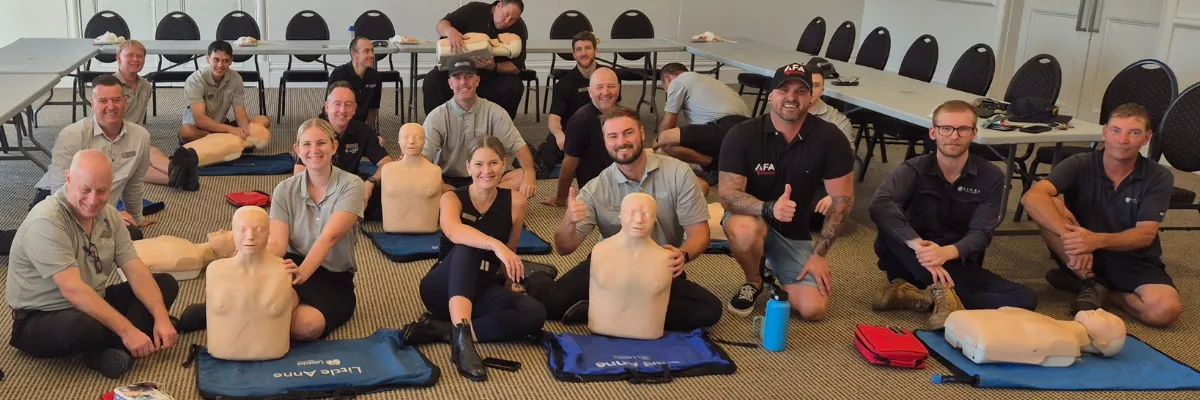
Wear comfortable clothes you can move in, bring water and snacks, and your completed pre-course work. The provider supplies all equipment—mannequins, oxygen gear, AEDs, and training materials.

Maintaining Your Advanced Resuscitation Certification
Your HLTAID015 certification is only valid for 12 months. Skills degrade fast—research shows CPR quality drops significantly after just 6 months without practice. The annual renewal cycle keeps you sharp.
Time your renewal within a month of expiry to maximize your valid period. If your cert lapses, you typically can't do a quick refresher—you have to complete the full course again from scratch.
Between certifications, practice doesn't have to be formal. Run through scenarios mentally. What would you do if someone collapsed right now? Where's the nearest AED? This mental rehearsal maintains skills even when you can't physically practice.
Keep digital and physical copies of all certification documentation. Set calendar reminders at least 6 weeks before expiry. If you use your skills in a real emergency, document everything—it serves as legal protection and demonstrates real-world application.
Career Advancement Through Advanced Resuscitation Skills
HLTAID015 opens doors to senior positions. When applying for safety operations manager roles, team leader positions, or supervisory roles, hiring managers look for advanced certification. It shows you've invested beyond minimum requirements.
Some professionals pursue trainer pathways. Once you've got experience with HLTAID015, you can pursue Certificate IV in Training and Assessment and start delivering courses. Freelance trainers can charge $400-600 per day.
Others combine HLTAID015 with industry-specific qualifications—dive masters, adventure operators, event management. The combination of industry knowledge plus advanced emergency response capability creates unique career opportunities.
Taking the Next Step in Your Emergency Response Career
Advanced resuscitation education and skills aren't just another certification—they're the capabilities that make you genuinely prepared when someone's life depends on your response. Whether you're managing lifeguards at a Gold Coast water park, working in healthcare, or leading safety programs, HLTAID015 certification represents a commitment to professional excellence.
The gap between basic CPR and advanced resuscitation competence is massive. It's the difference between knowing what you should do and being able to actually do it under pressure. It's the confidence from practicing oxygen therapy until your hands know the equipment without thinking. It's the leadership skills to coordinate a team response when chaos unfolds.
Look for the markers we've discussed—proper RTO registration, experienced instructors with real emergency backgrounds, modern equipment, flexible scheduling for shift workers, and genuine commitment to building competence. The scenarios we've covered—cardiac arrests, respiratory emergencies, multi-casualty incidents—are happening right now across Queensland. The question isn't whether you'll face these situations. If you're in emergency response, you will. The question is whether you'll be ready.
Book your HLTAID015 course, commit to the pre-work, and engage fully with practical training. Email us at [email protected]. Your future self—and the people whose lives might depend on your skills—will thank you for making this investment.